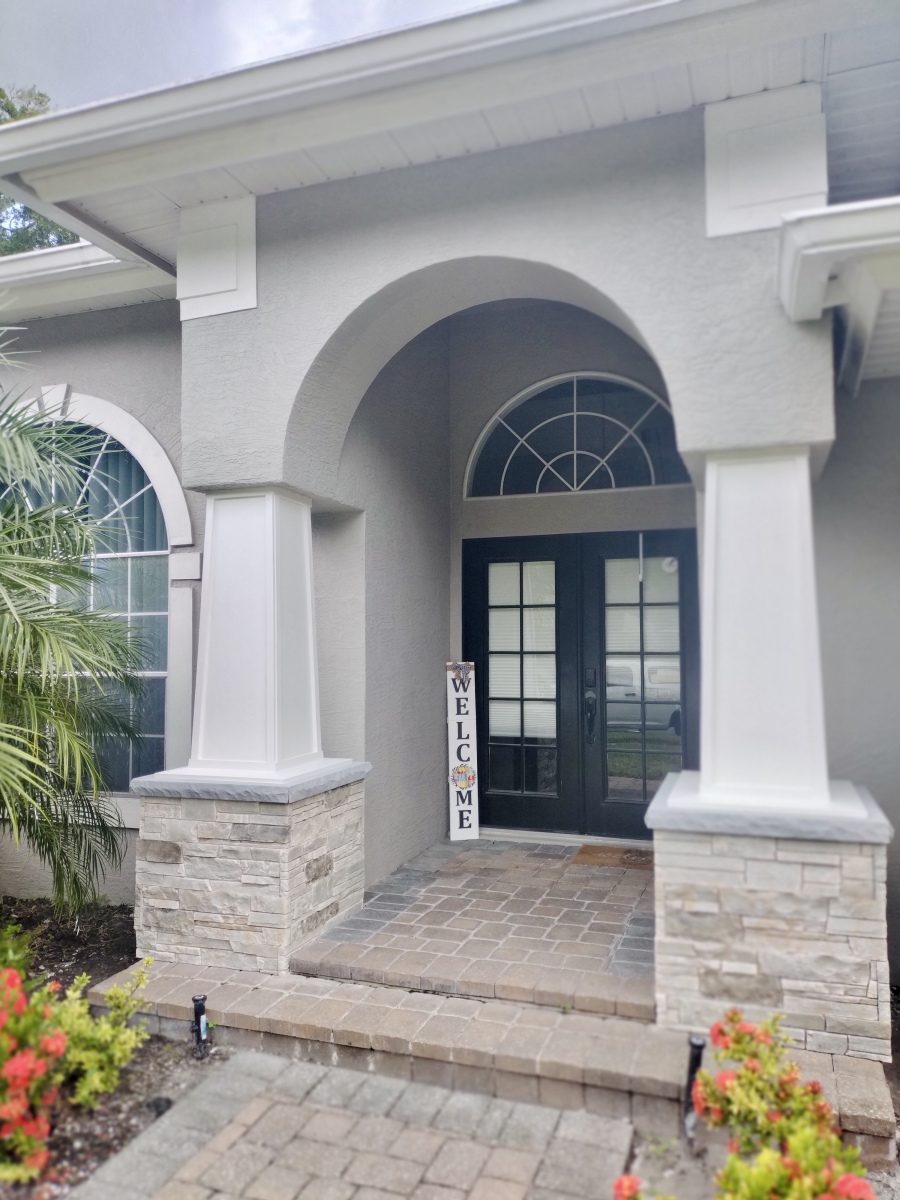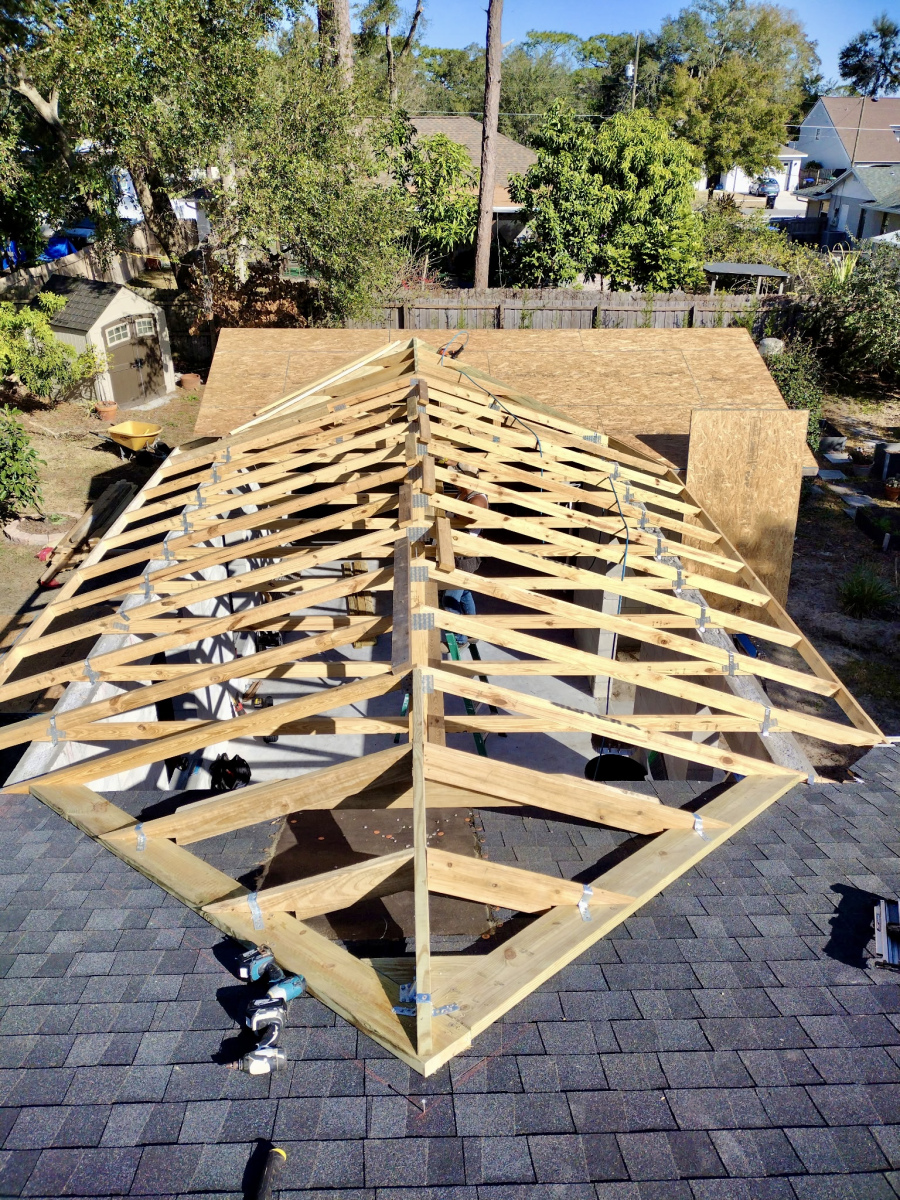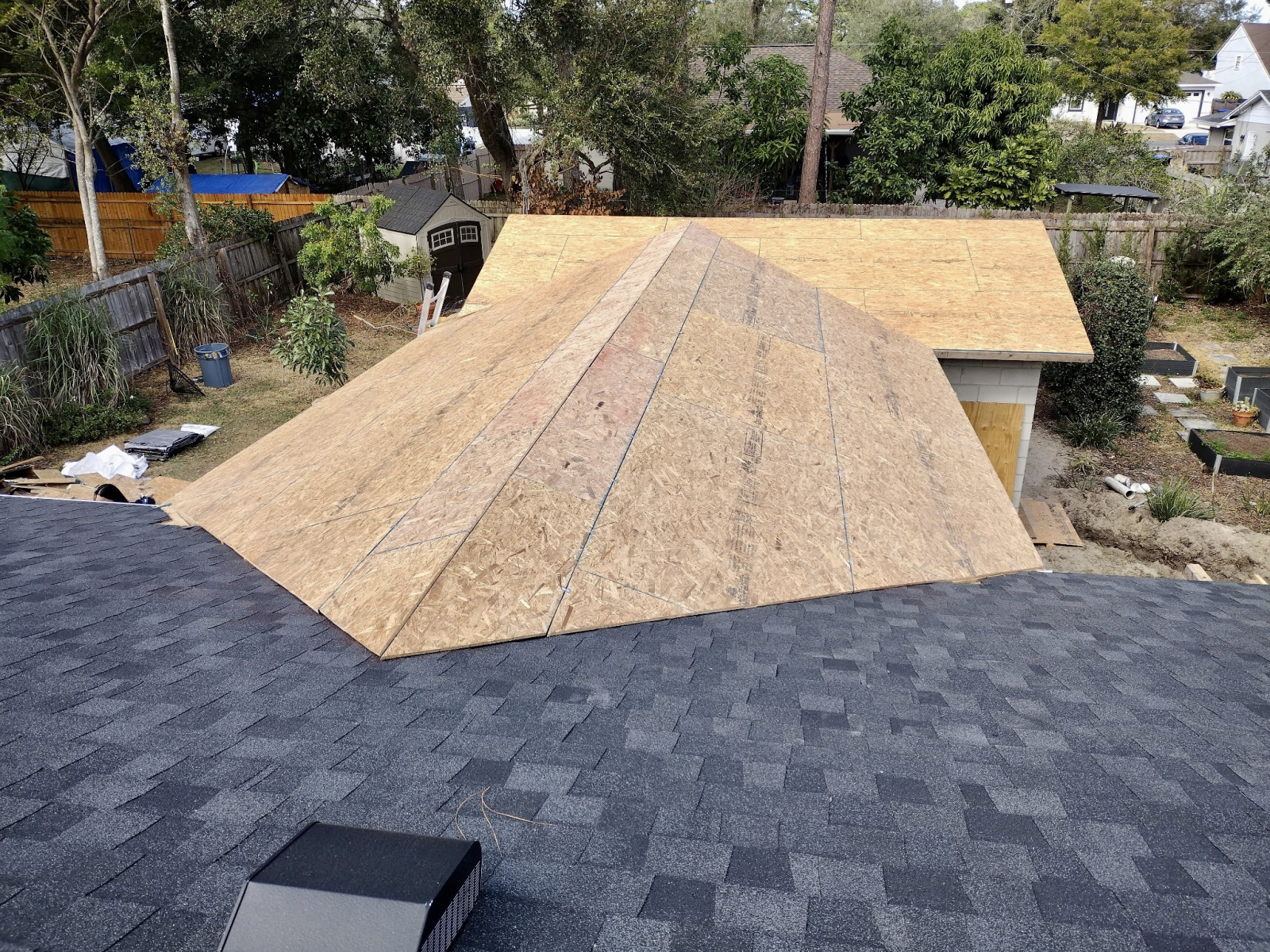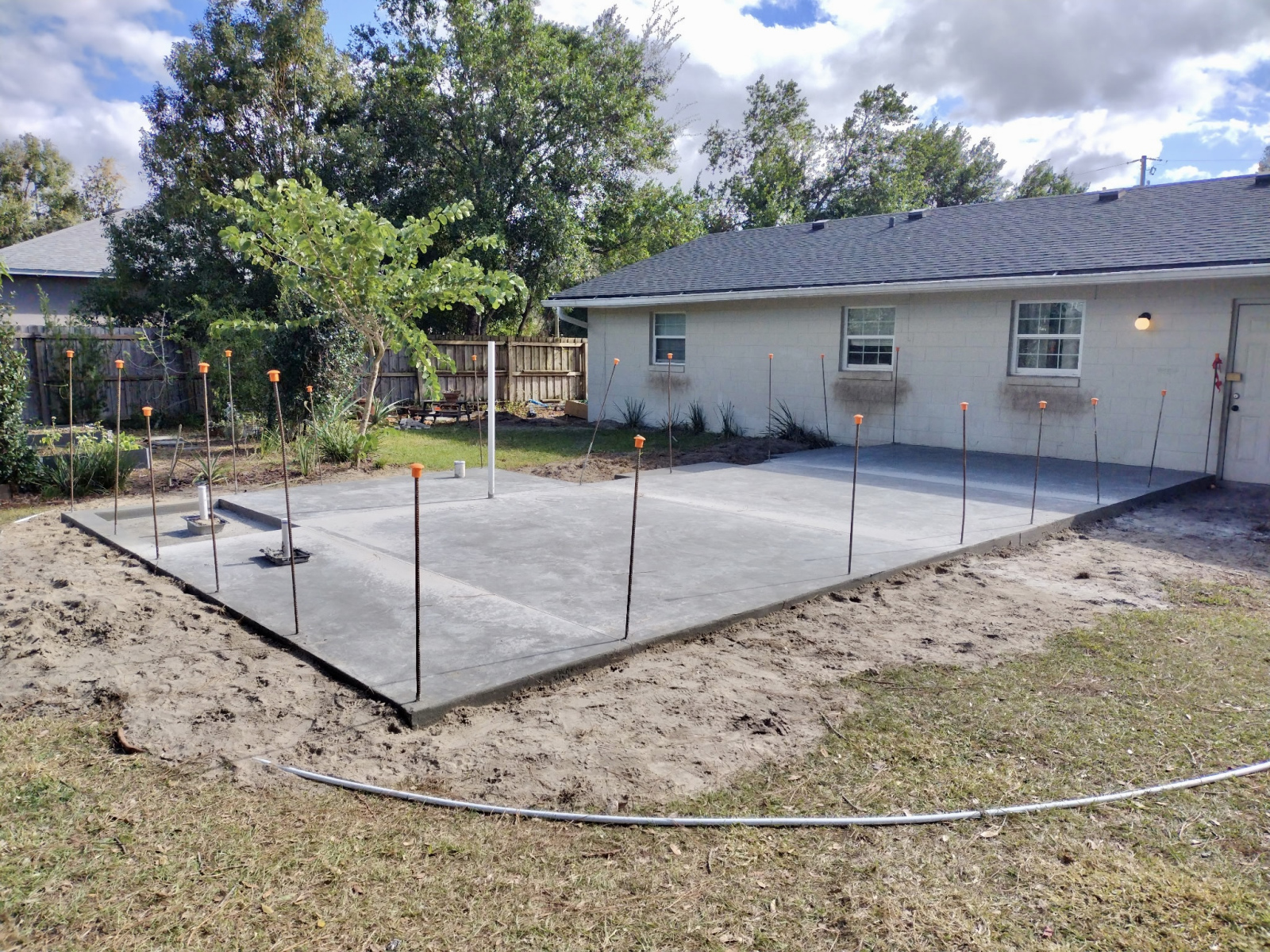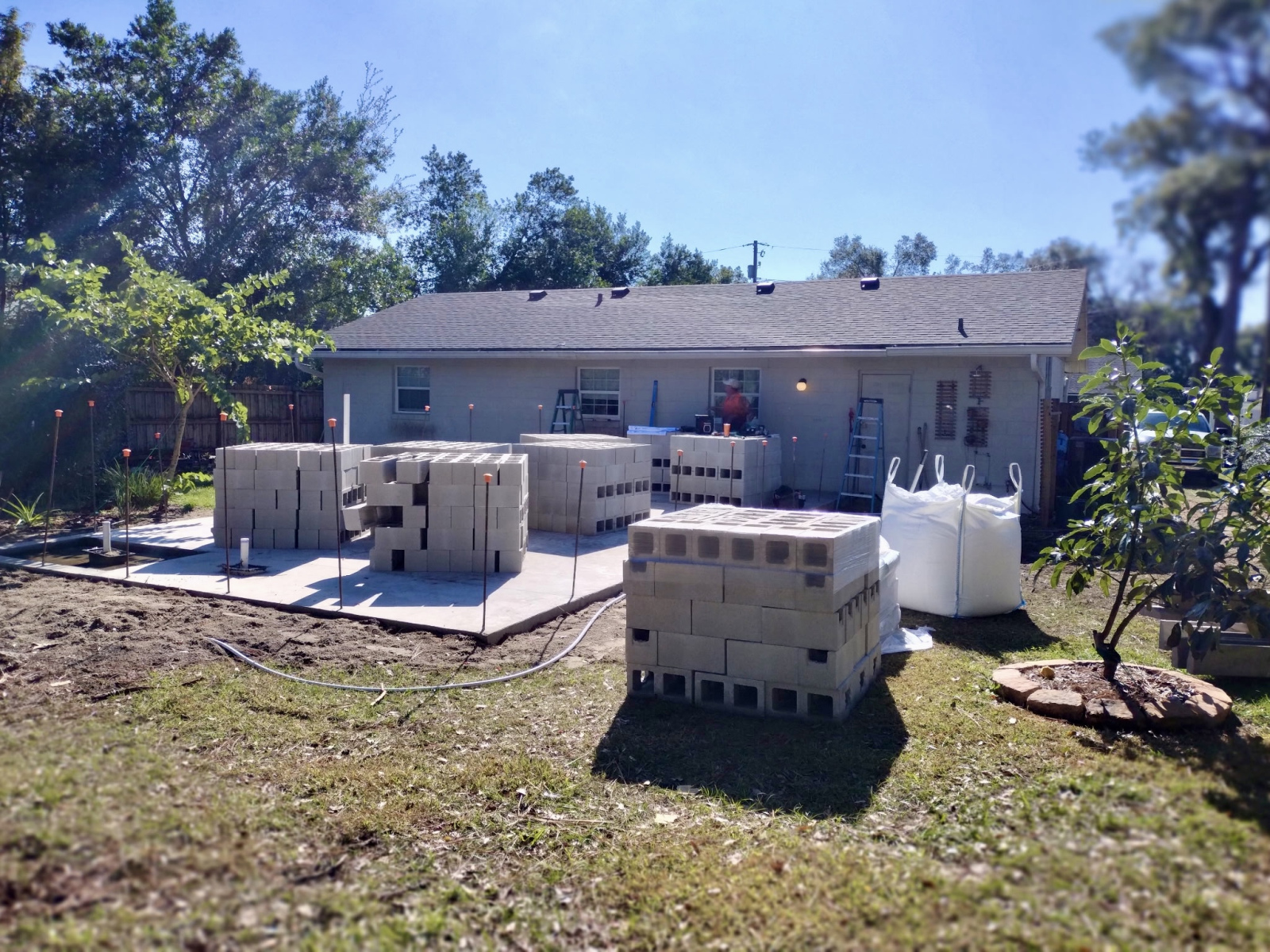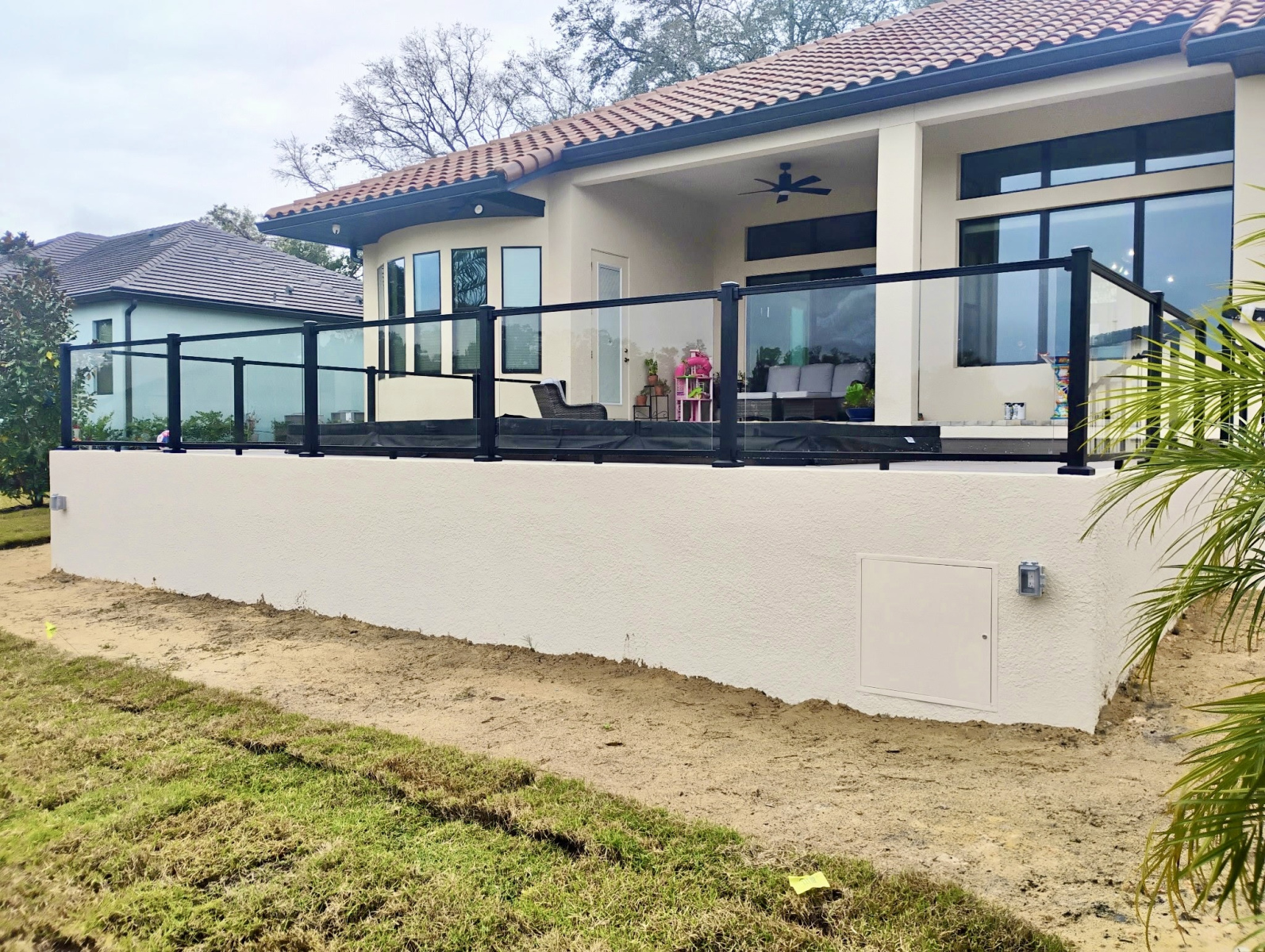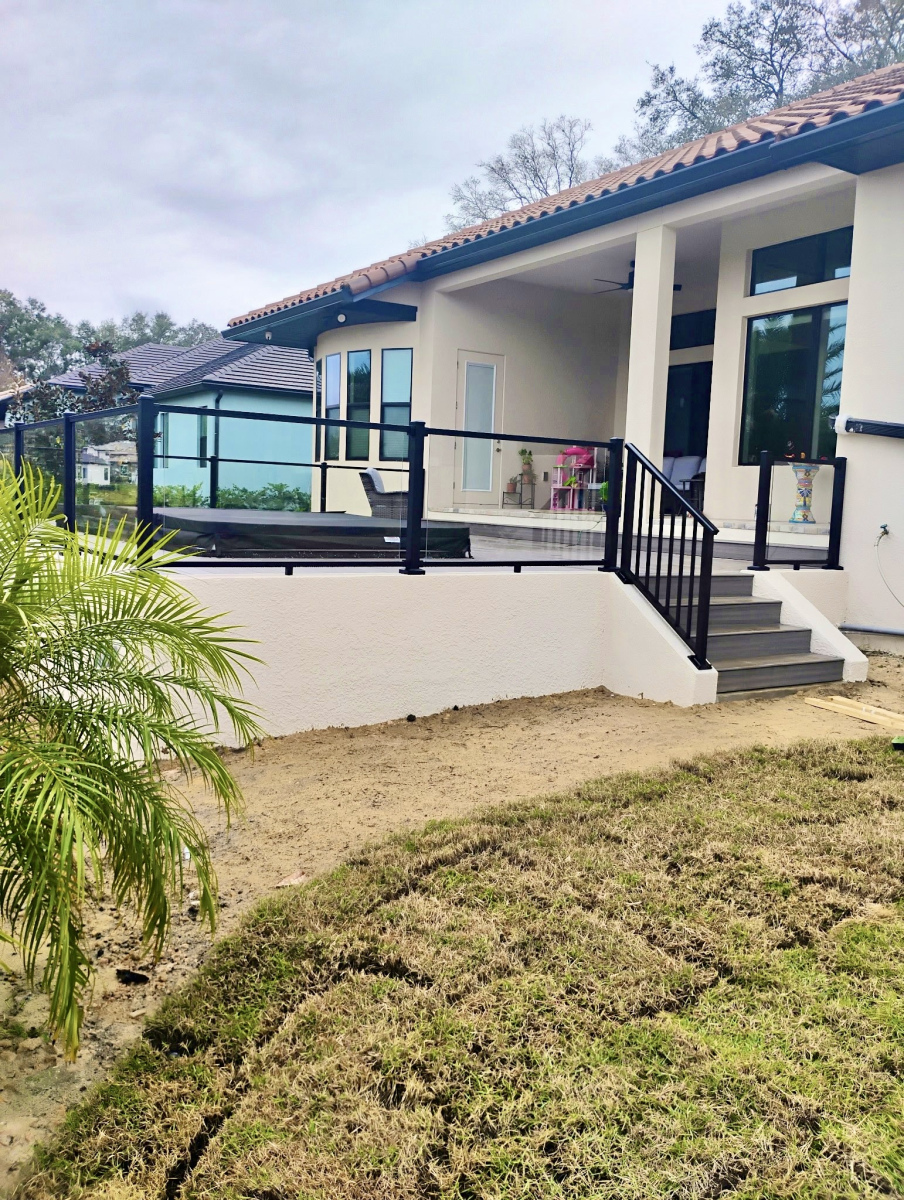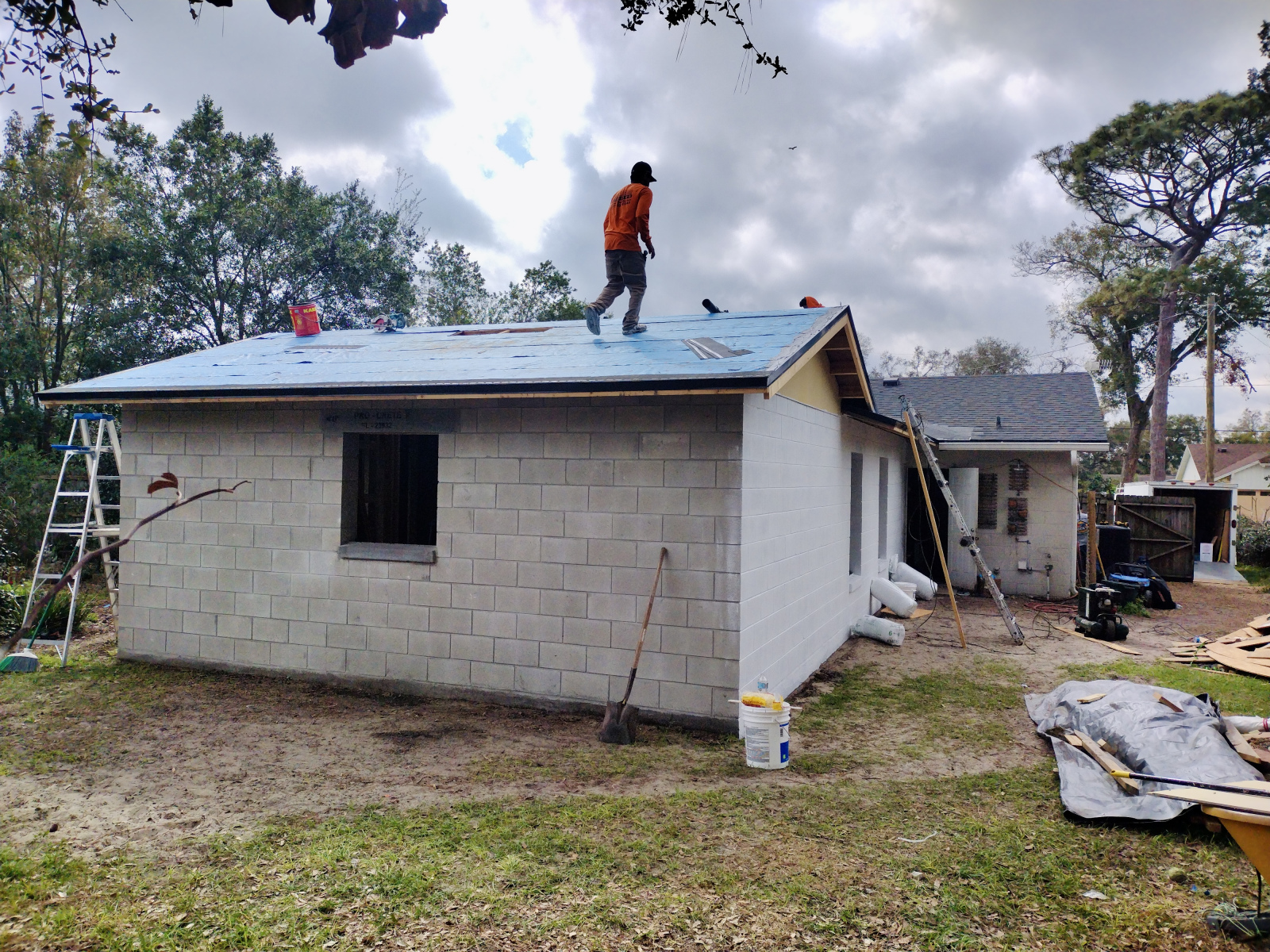

Has your home or business been damaged due to a disaster? Whether caused by fire, flood, or mold, R&G Builders is ready to get on the job!
We are passionate about providing exceptional restoration services.
- Upfront Free Estimate
- We Work With All Insurance Providers
If you are experiencing a disaster or property emergency, please, give us a call immediately!
Termite damage repair in Lake Mary, Florida
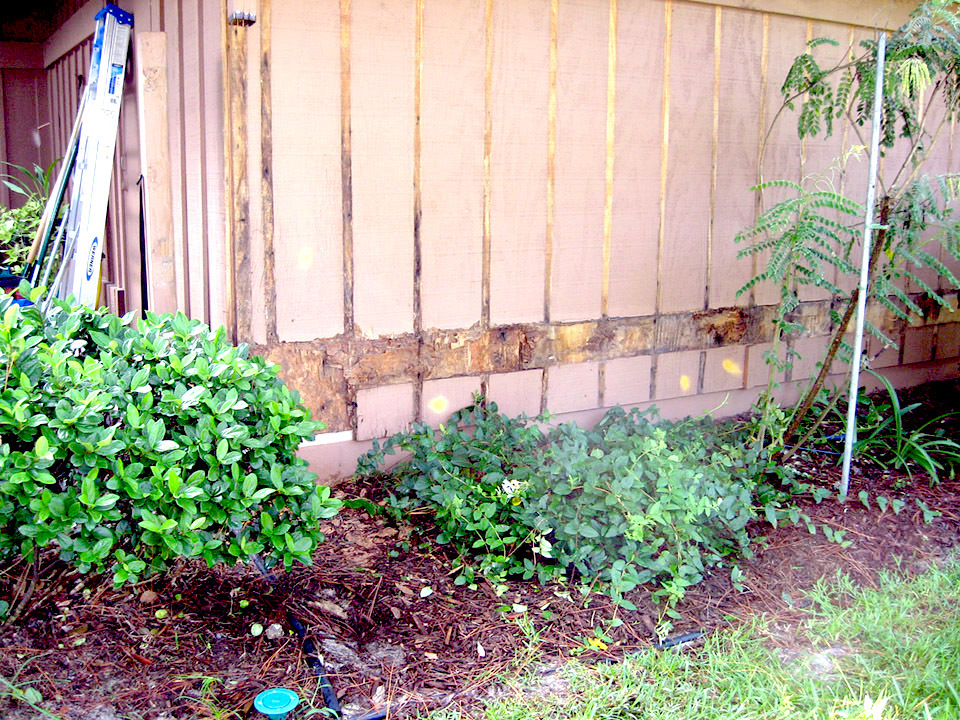
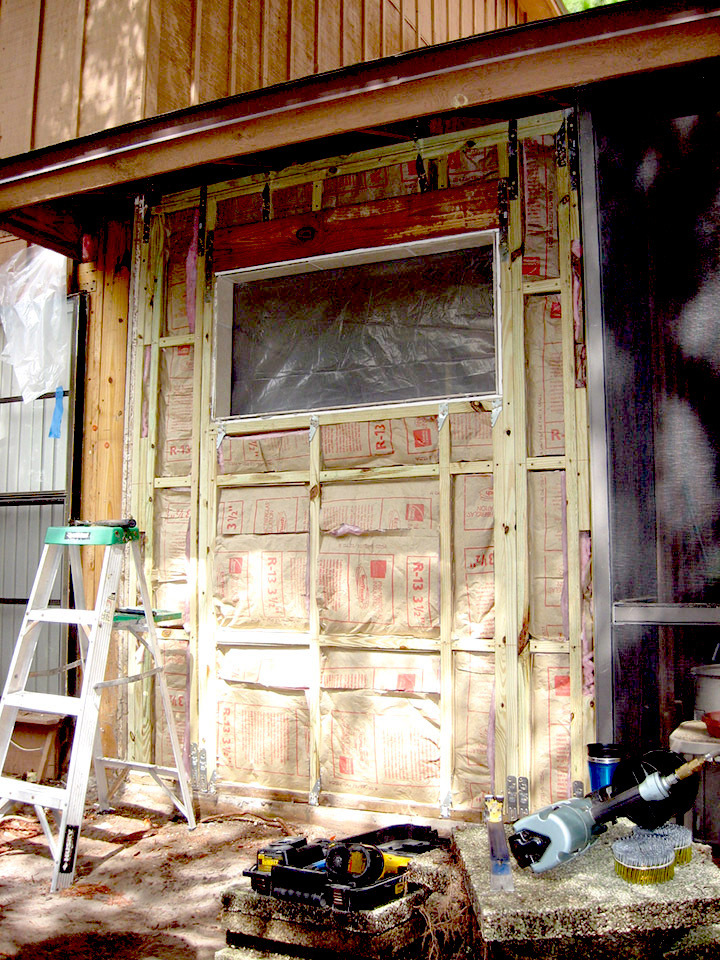
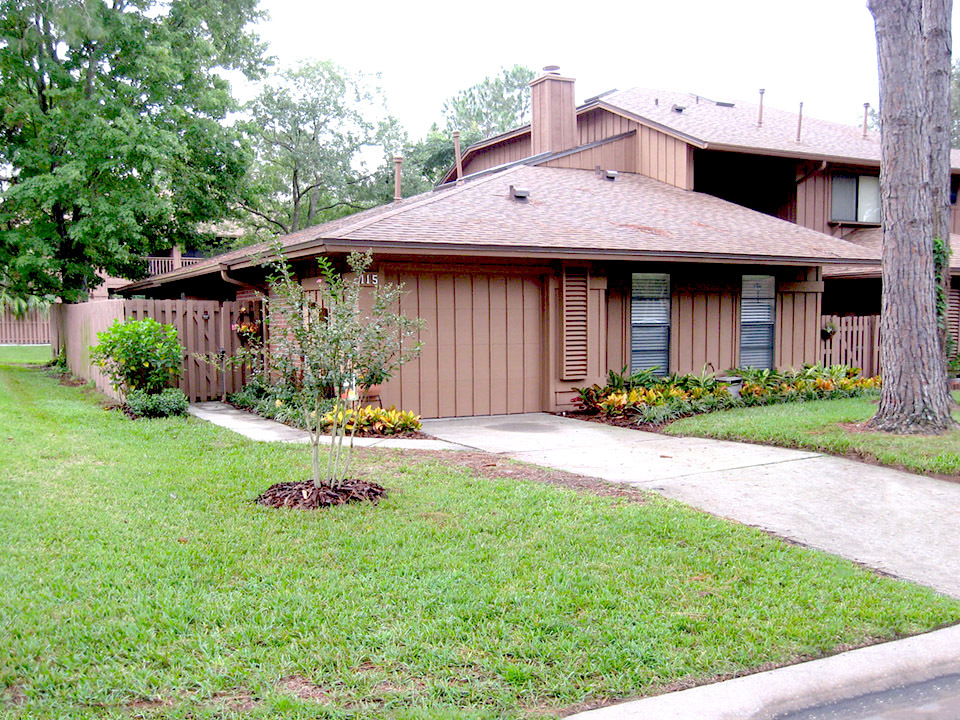
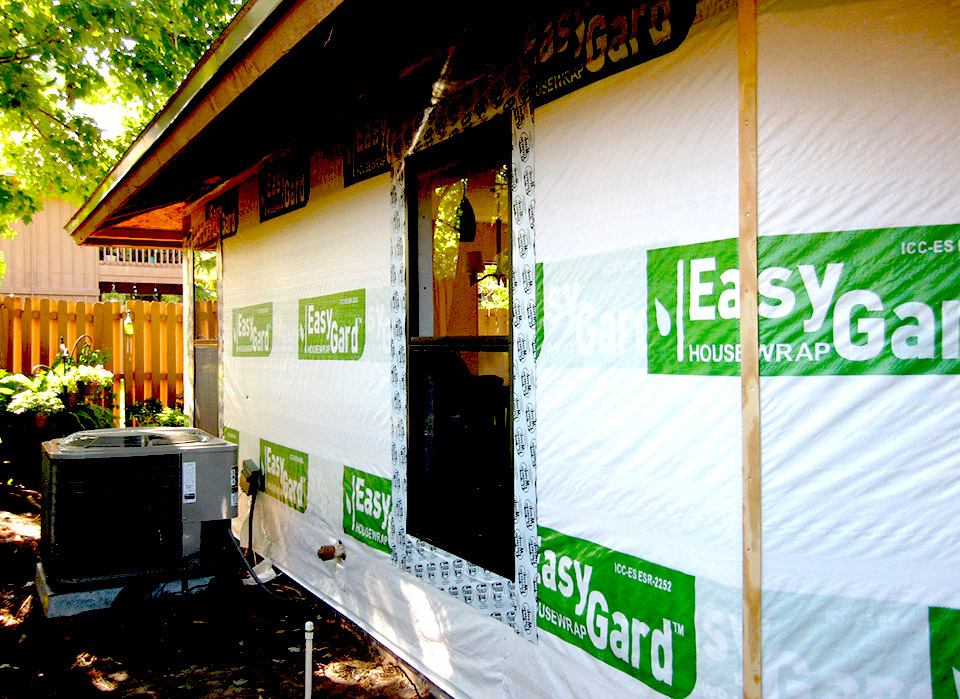
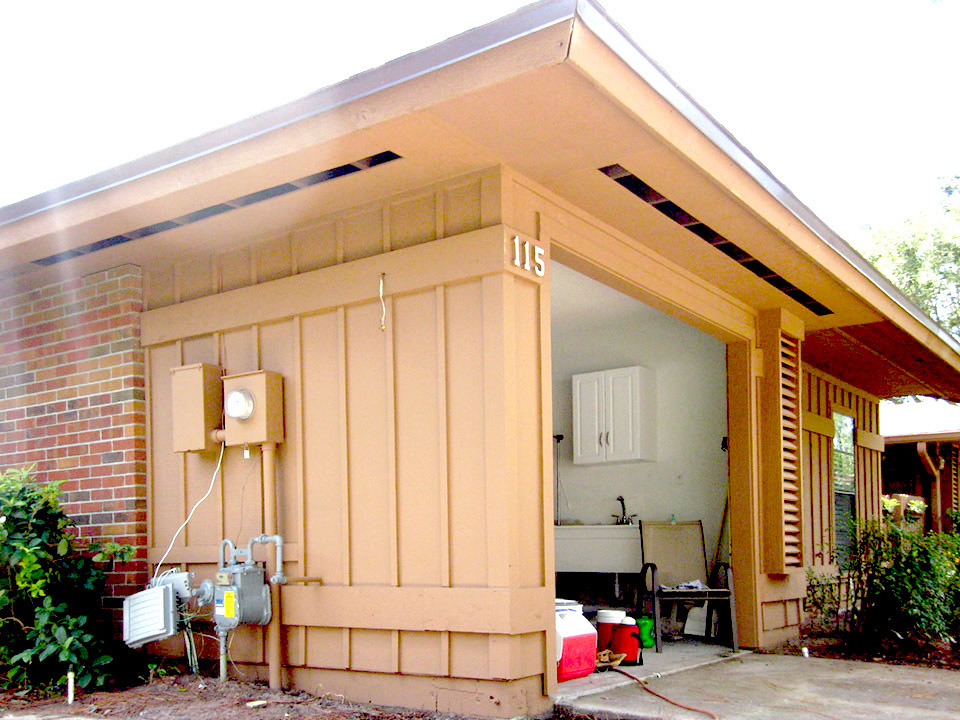
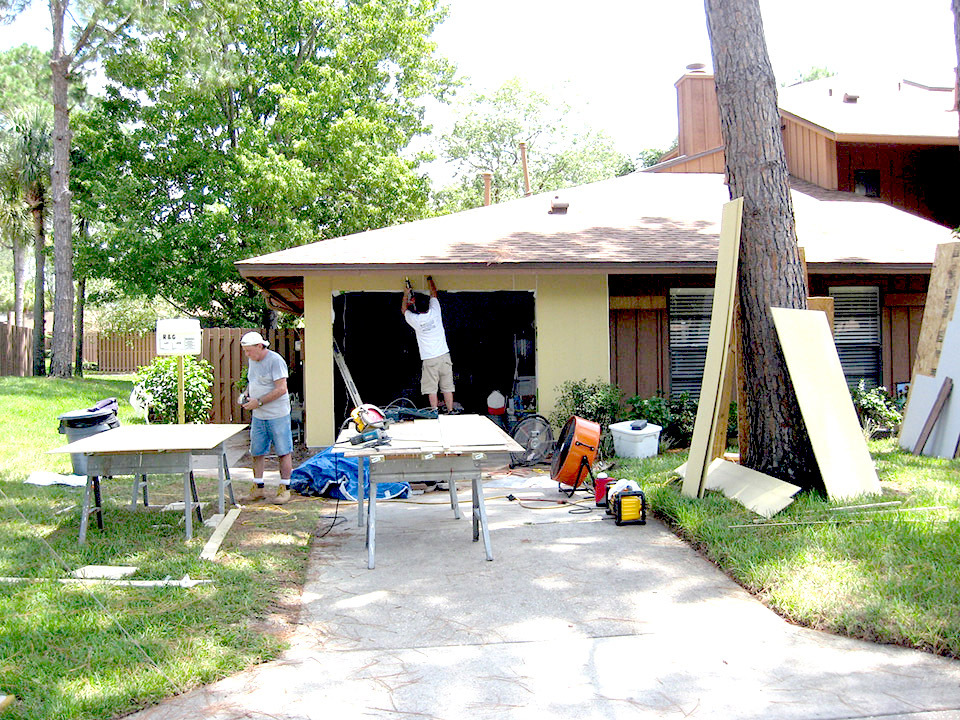
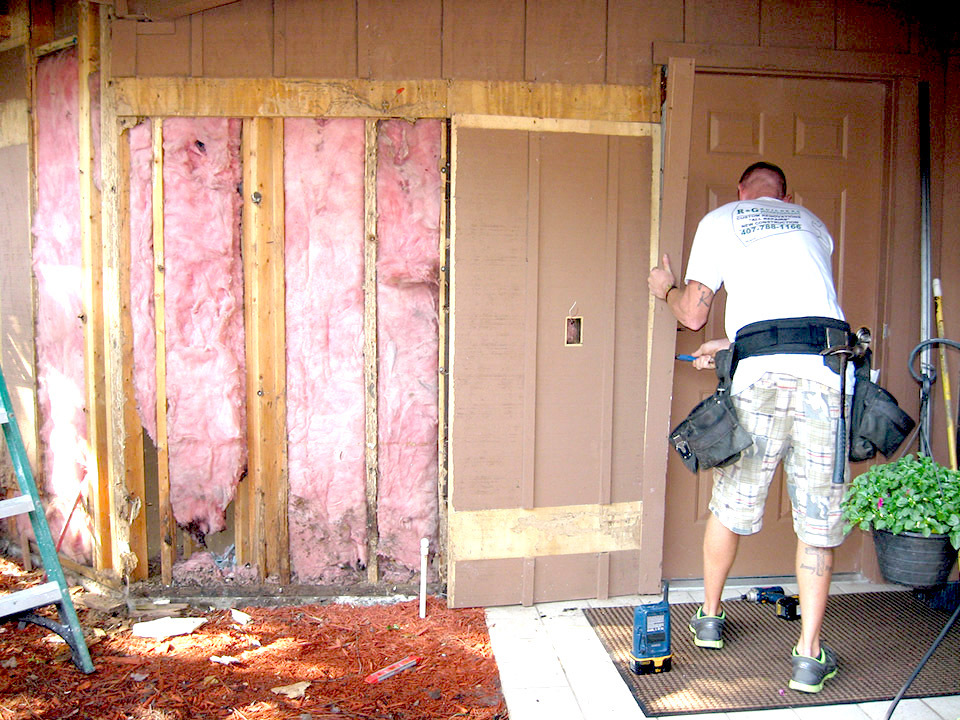
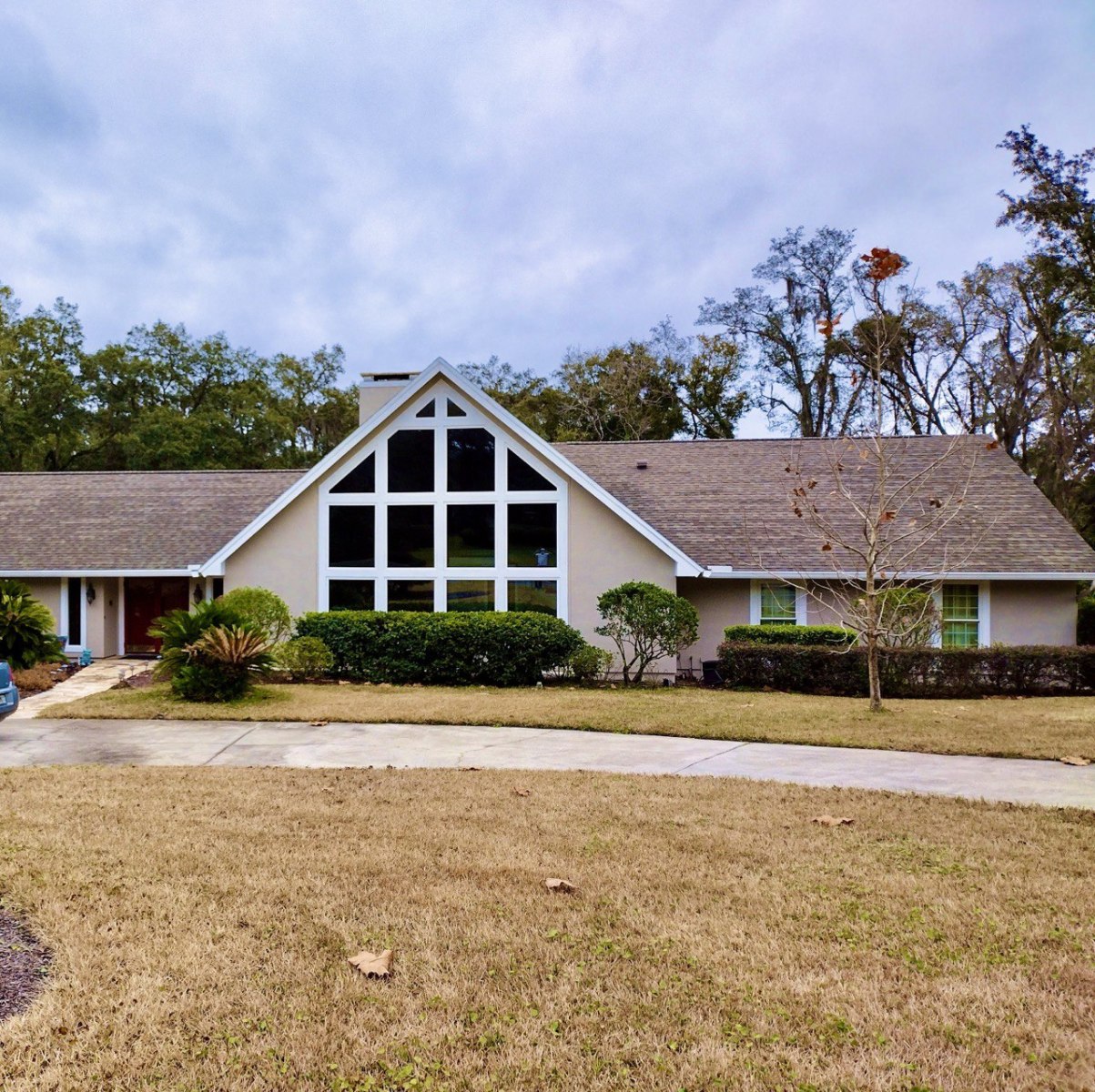
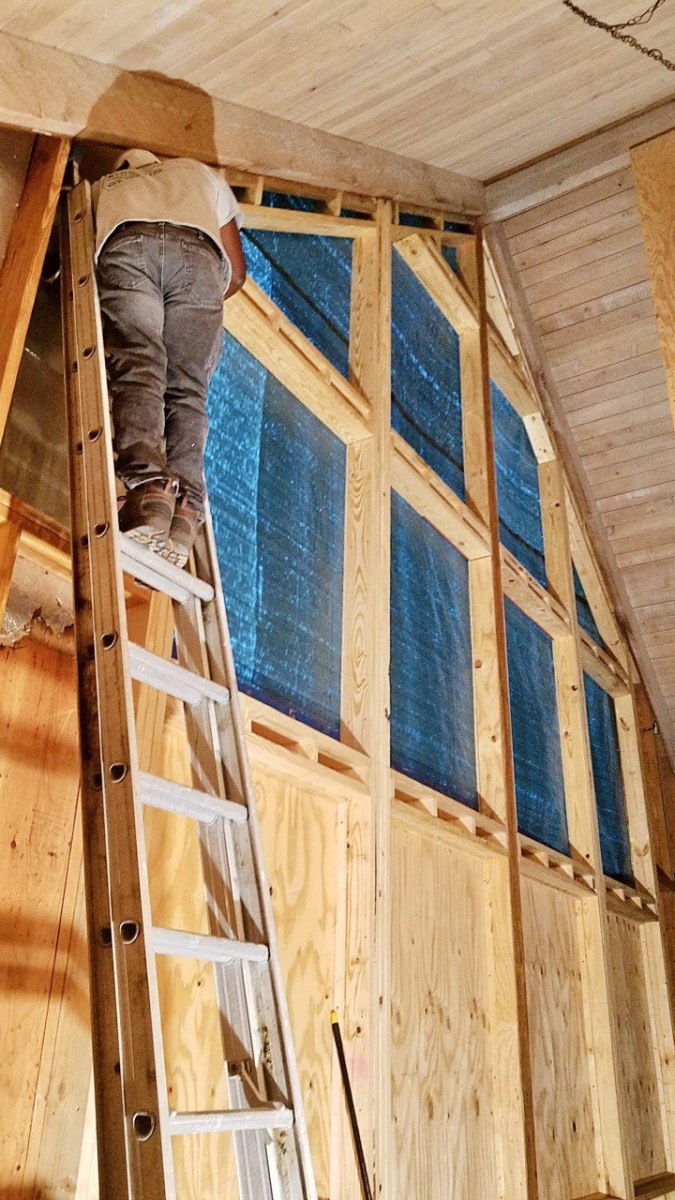
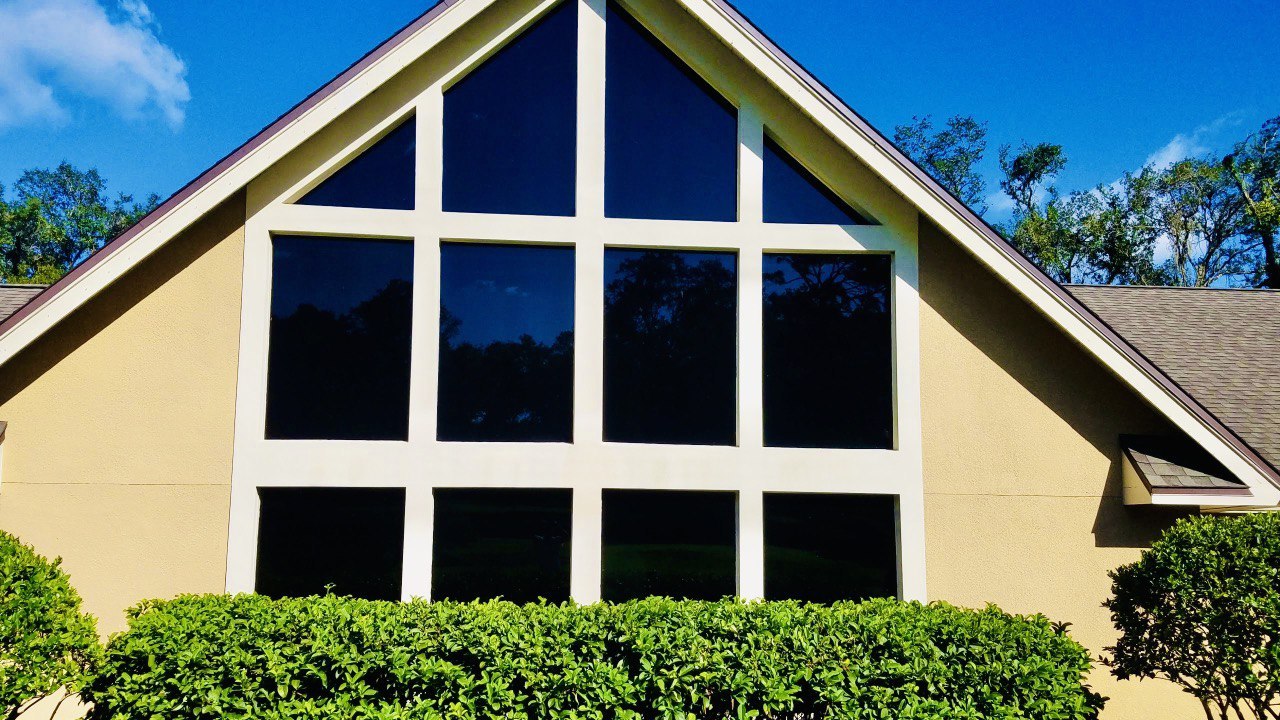
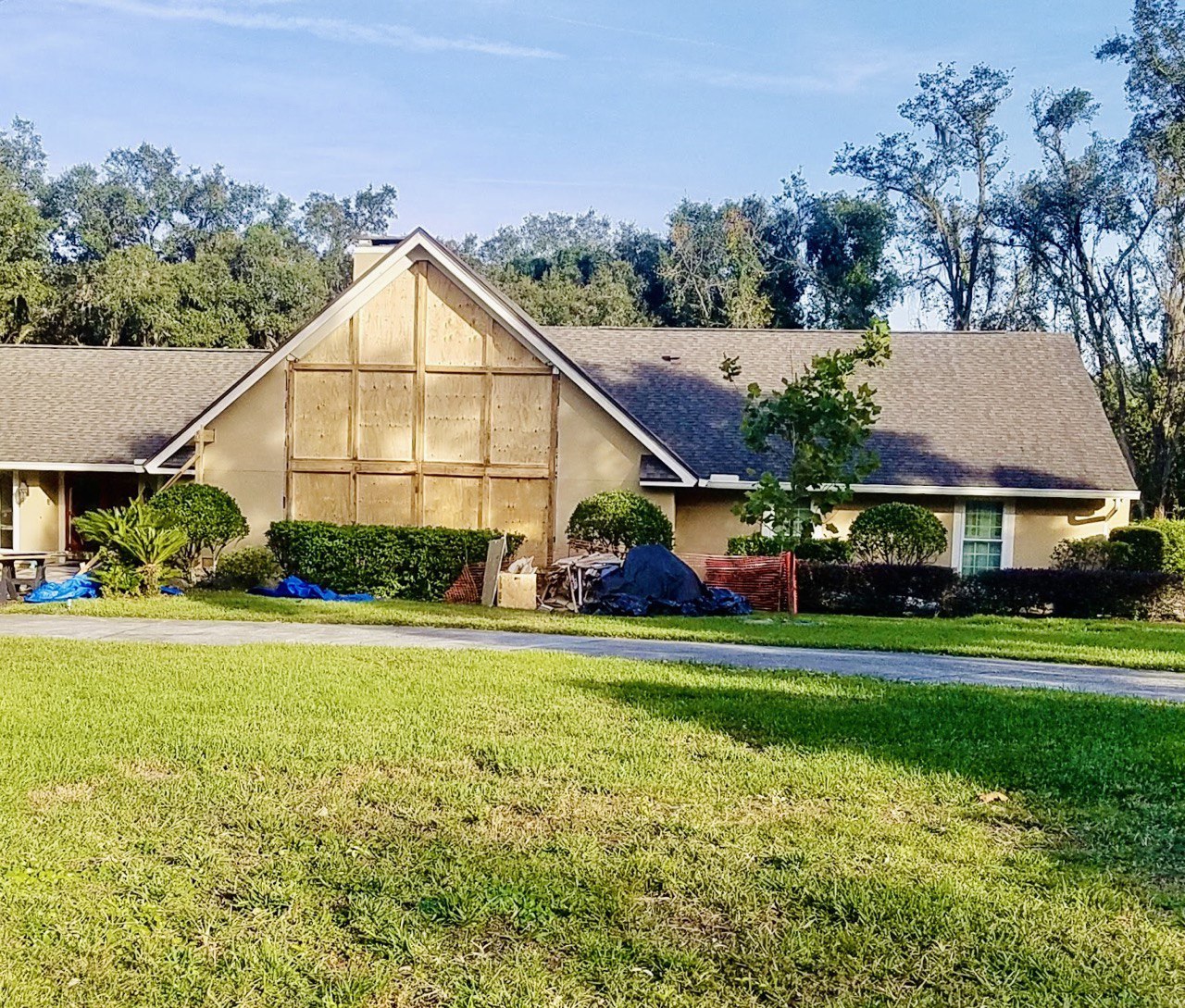
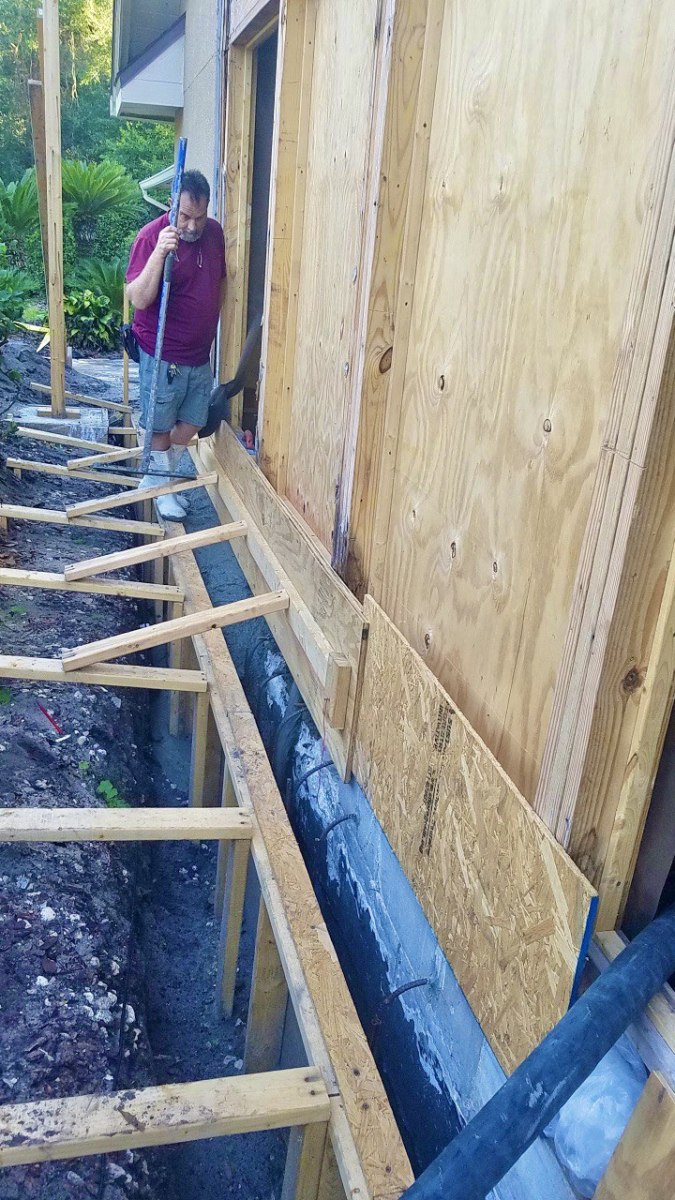
Termite Damage Repair and Restoration
Termites cause an estimated $5 billion in property damage across the United States each year, and most homeowners insurance policies won’t cover a dime of it. In Central Florida’s warm, humid climate, these insects stay active year-round—quietly eating through floor joists, wall studs, and support beams while leaving the outer surface of the wood intact.
This guide covers how to identify termite damage, what the repair process involves, typical costs, and when a project calls for professional help.
How to spot termite damage
Termite damage repair typically costs between $250 for minor cosmetic fixes and over $10,000 for major structural restoration. Before any repair work begins, though, you’ll want to confirm the termite colony has been completely eradicated—otherwise, you’re essentially fixing wood while the insects keep eating behind the walls.
The tricky part? Termites feed from the inside out, so by the time you notice visible damage, there’s often more destruction hidden beneath the surface. Here’s what to look for.
Mud tubes
Subterranean termites—the most common type in Central Florida—build narrow mud tubes along foundation walls, floor joists, and other surfaces. These tubes, roughly the width of a pencil, protect the termites from open air as they travel between their underground colony and the wood they’re feeding on.
If you spot mud tubes running up your foundation or along your crawl space walls, termites have likely already reached the wooden structure above. Fresh tubes appear moist and intact, while abandoned ones tend to dry out and crumble.
Hollow-sounding wood
Here’s a simple test: tap on baseboards, door frames, or exposed beams with the handle of a screwdriver. Solid wood produces a firm, dense sound. Termite-damaged wood sounds hollow or papery because the insects have eaten away the interior while leaving the outer shell intact.
You can also press the screwdriver tip into the wood. If it sinks in easily or the material crumbles, the damage goes deeper than the surface.
Discarded wings and frass
Reproductive termites, called swarmers, shed their wings after mating flights. You’ll often find small piles of these translucent wings near windowsills, doors, or light fixtures—especially in spring when swarms are most active.
Drywood termites leave behind another clue: tiny fecal pellets called frass. These pellets look like fine sawdust or coffee grounds and tend to accumulate in small piles beneath infested wood. If you keep sweeping up what looks like sawdust in the same spot, drywood termites may be the source.
Damage that looks like water intrusion
Termite damage and water damage can look surprisingly similar. Both cause warped floors, bubbling paint, and soft spots in drywall. The difference comes down to a few details.
| Sign | Water damage | Termite damage |
| Staining | Common | Rare |
| Musty odor | Often present | Usually absent |
| Mud tubes | Never | Common with subterranean termites |
| Frass or pellets | Never | Common with drywood termites |
| Hollow wood | Rare | Very common |
If you notice structural changes but can’t find a leak or moisture source, termites are worth investigating.
Why early detection matters
Termites work slowly but steadily. A mature colony can consume several pounds of wood per year, and because the insects feed from the inside out, significant structural damage can build up before any visible signs appear on the surface. By the time you notice sagging floors or cracked drywall, the underlying framing may already be compromised.
Early intervention limits the scope of repairs. Cosmetic damage to trim, baseboards, or window frames—where the wood isn’t supporting weight—can often be addressed with wood hardeners and fillers. Once termites reach floor joists, wall studs, or support beams, however, the repair becomes a structural project that requires sistered lumber or full replacement of damaged members.
Central Florida’s warm, humid climate creates ideal conditions for both subterranean and drywood termite species. Homes in this region face year-round risk, which makes routine inspections and prompt action especially valuable.
How we repair termite damage
Repairing termite damage involves more than patching holes. The process addresses both visible destruction and any hidden structural compromise, and it follows a specific sequence to ensure lasting results.
Inspection and damage assessment
A thorough inspection maps all affected areas, including hidden voids and galleries within walls and framing. This step determines whether the damage is cosmetic—surface-level chewing on non-structural wood—or structural, meaning compromised studs, joists, or beams.
The assessment also identifies moisture issues that may have attracted termites in the first place. Leaky pipes, poor drainage, and inadequate ventilation all create conditions termites love.
Coordination with pest control
Repairs only make sense after the infestation is fully treated. Attempting to restore wood while termites are still active is like patching a leaky boat without plugging the hole—you’ll end up doing the same work twice.
A licensed pest control professional handles eradication through chemical treatments, bait systems, or fumigation, depending on the termite species and severity of the infestation. R & G Builders works alongside trusted pest control partners to ensure treatment is complete before reconstruction begins.
Removal of damaged materials
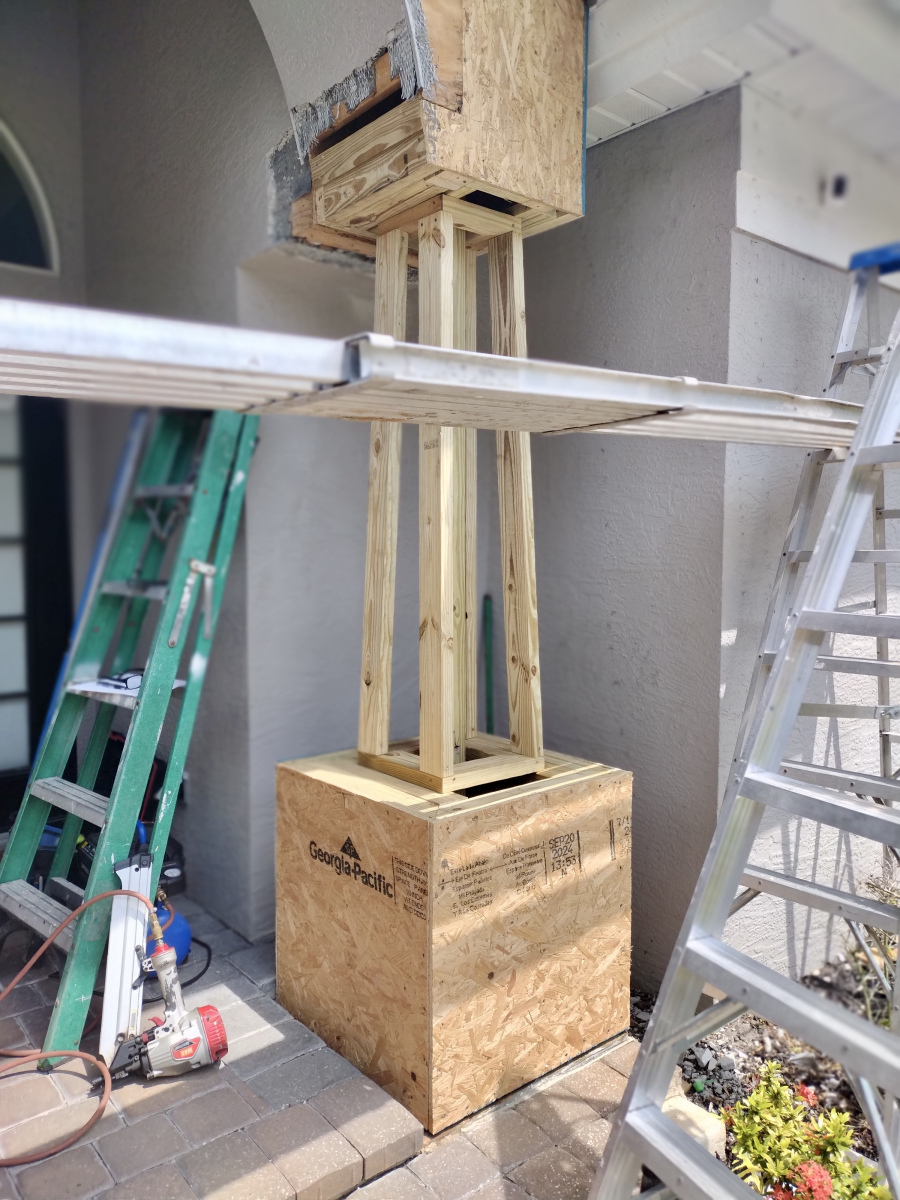
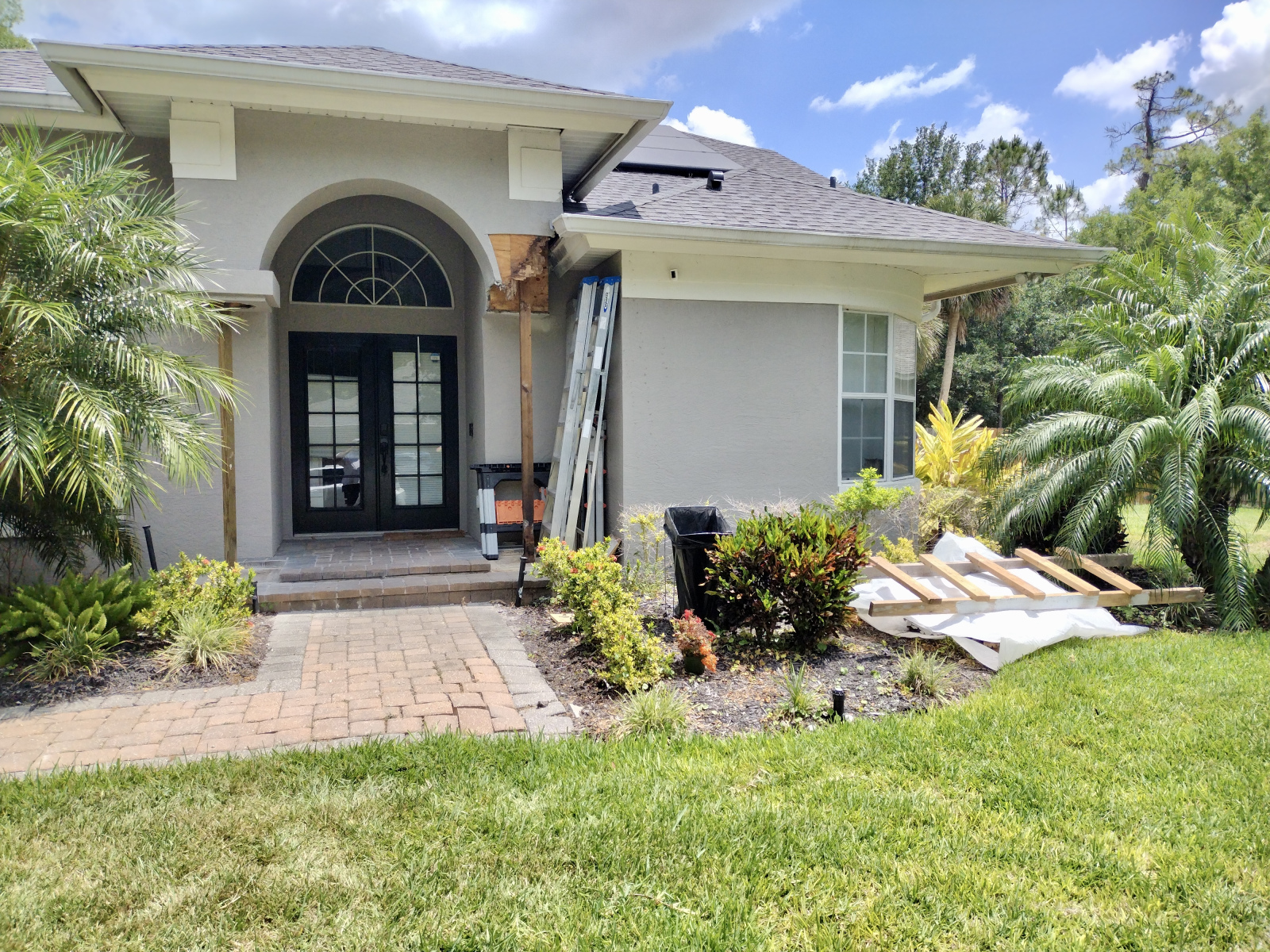
Once the area is cleared for repair, damaged wood and any affected drywall or sheathing are carefully removed. For structural members, temporary supports are installed to maintain the building’s integrity during this phase.
Proper removal of damaged materials prevents contaminated or weakened wood from remaining hidden within the structure. This step also reveals the full extent of the damage, which sometimes turns out to be more—or less—than the initial inspection suggested.
Structural repair and reconstruction
Minor damage to non-load-bearing trim or molding can often be restored with wood hardeners and epoxy fillers. These products penetrate the damaged fibers, restore rigidity, and create a surface that accepts paint or stain.
Structural damage requires more extensive work:
- Sistering: Installing new lumber alongside damaged joists or studs to restore load-bearing capacity without removing the original member entirely
- Full replacement: Cutting out compromised framing and installing new, pressure-treated lumber in its place
- Subfloor repair: Replacing damaged plywood or OSB beneath flooring materials
Drywall repair and finish work follow once the structural components are sound. This phase may include patching walls, repainting, and replacing baseboards or crown molding to match the existing trim.
Final inspection and prevention
After repairs are complete, a final walkthrough confirms that all damaged areas have been addressed and the structure meets code requirements. Many homeowners also take this opportunity to implement preventive measures—improving drainage around the foundation, fixing moisture leaks, and scheduling regular termite inspections going forward.
What termite damage repair typically costs
Repair costs vary widely based on the extent of damage and which structural components are affected.
| Damage level | Typical cost range | Examples |
| Minor cosmetic | $500–$3,500 | Trim, baseboards, window frames |
| Moderate structural | $3,500–$10,000 | Wall framing, limited floor joists |
| Major structural | $10,000+ | Support beams, extensive framing, subfloor |
These figures cover repair labor and materials but don’t include pest treatment, which is typically billed separately by the exterminator. Homes with damage to multiple areas or load-bearing components will fall toward the higher end of the range.
Tip: Request a detailed written estimate that separates structural repairs from cosmetic finish work. This breakdown helps you understand where your money is going and makes it easier to prioritize if budget is a concern.
Insurance coordination for termite damage repairs
Most standard homeowners insurance policies exclude termite damage because insurers consider it a maintenance issue rather than a sudden, accidental loss. That said, there are exceptions worth exploring.
If termite damage causes a secondary covered event—a roof collapse, for example—your policy may cover the resulting structural repairs even if it won’t pay for the termite treatment itself. Some policies also cover damage that was hidden and couldn’t reasonably have been detected through normal maintenance.
R & G Builders has experience working with insurance adjusters and can help document damage for claims where coverage may apply. Proper documentation—photos, inspection reports, and detailed repair estimates—improves your chances of a favorable outcome, though approval ultimately depends on your specific policy.
When to call a professional
Small patches of surface damage on non-structural trim might be a reasonable DIY project for handy homeowners. A wood hardener, some epoxy filler, and a fresh coat of paint can handle minor cosmetic issues.
Professional help becomes essential in several situations:
- Damage affects load-bearing members like floor joists, wall studs, or support beams
- Multiple areas are affected throughout the home
- You’re unsure whether damage is cosmetic or structural
- The infestation hasn’t been professionally treated yet
Structural repairs require proper shoring, code-compliant lumber, and an understanding of how loads transfer through the building. Mistakes can compromise the safety of your home and may create liability issues if you sell the property later.
With over 40 years of experience in Central Florida, R & G Builders has restored hundreds of homes affected by termite damage. We handle everything from initial assessment through final finish work, coordinating with pest control professionals along the way.
Request a free consultation or quote to discuss your termite damage repair project.
Frequently asked questions
Can termites damage drywall?
Termites don’t eat drywall itself—they’re after the wood behind it. However, they do tunnel through drywall to reach wooden framing, leaving small pinholes, bubbling surfaces, or faint lines where tunnels run just beneath the paper facing. The drywall damage is usually secondary to more significant destruction in the studs and plates behind it.
How do I know if termite damage is active or old?
Active infestations typically show fresh mud tubes, live insects when wood is broken open, and frass that continues to accumulate after cleaning. Old damage may have dried-out tubes, no live termites, and stable conditions over time. A pest control inspection can confirm whether treatment is still needed before repairs begin.
Does termite damage affect home value?
Untreated termite damage can significantly reduce a home’s market value and complicate sales. Buyers and inspectors want to see that the problem was addressed correctly—not just covered up. Properly repaired damage with documentation of treatment and restoration typically has minimal long-term impact on value, especially when the work was done by a licensed contractor.
Get Help at the First Sign of Termites!
Very few things can damage your home as severely as the unchecked spread of termites. Swarms of these tiny insects are drawn to anything that contains wood, including the framing and sheathing materials that form the backbone of your valuable roof. With our framing and remodeling expertise, we not only eliminate termite infestation, we repair and replace areas that have been damaged. We have the skills you need to restore the health of your roof, walls, and other parts of your home. Termites cause $5 billion worth of damage each year in the U.S. each year.
Identify and fix the problem as early as possible to prevent irreparable damage. What kind of mayhem do these nasty little critters cause, and how do you spot the signs? Termites eat into the very structure of your home — the support beams, floor joists, posts, ceiling joists and wall studs. If you or your inspector find superficial termite damage, chances are high that here’s more damage beneath.