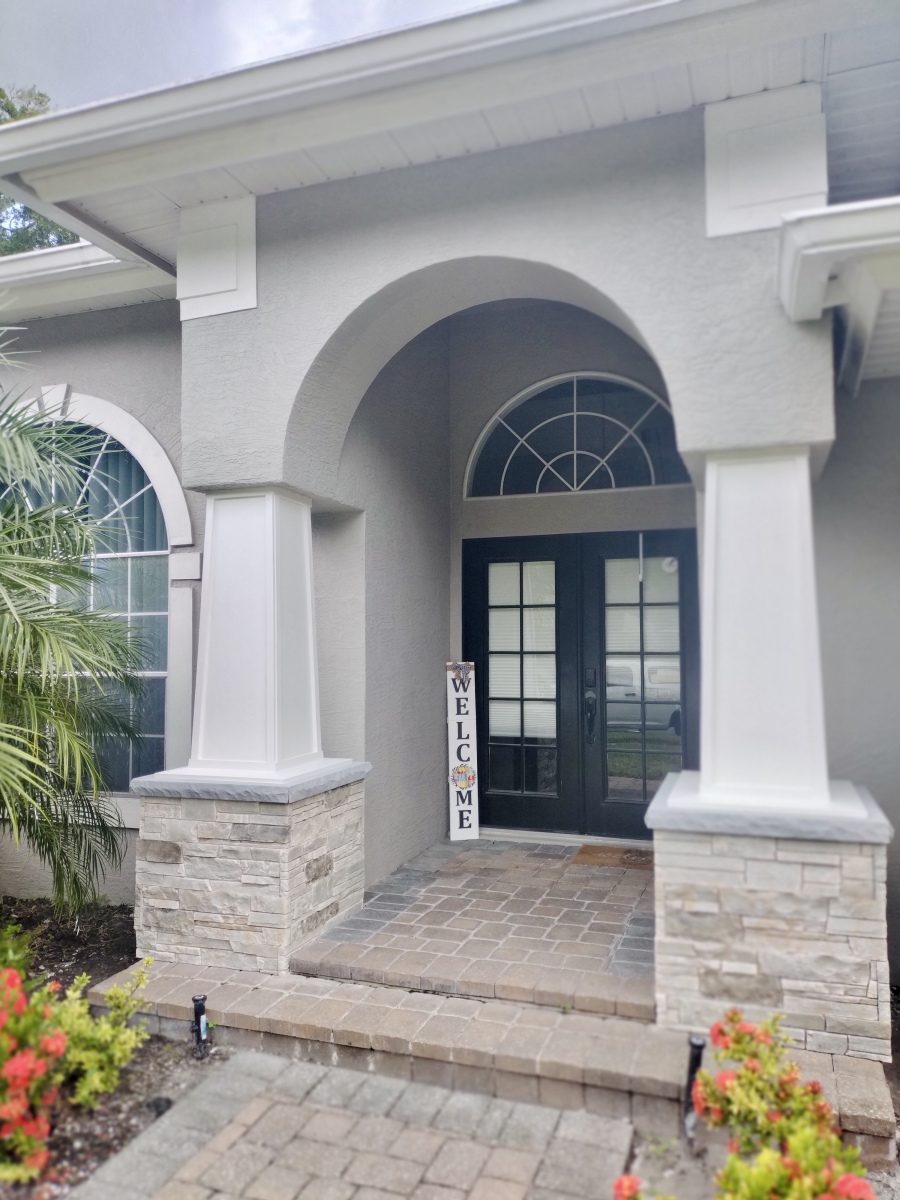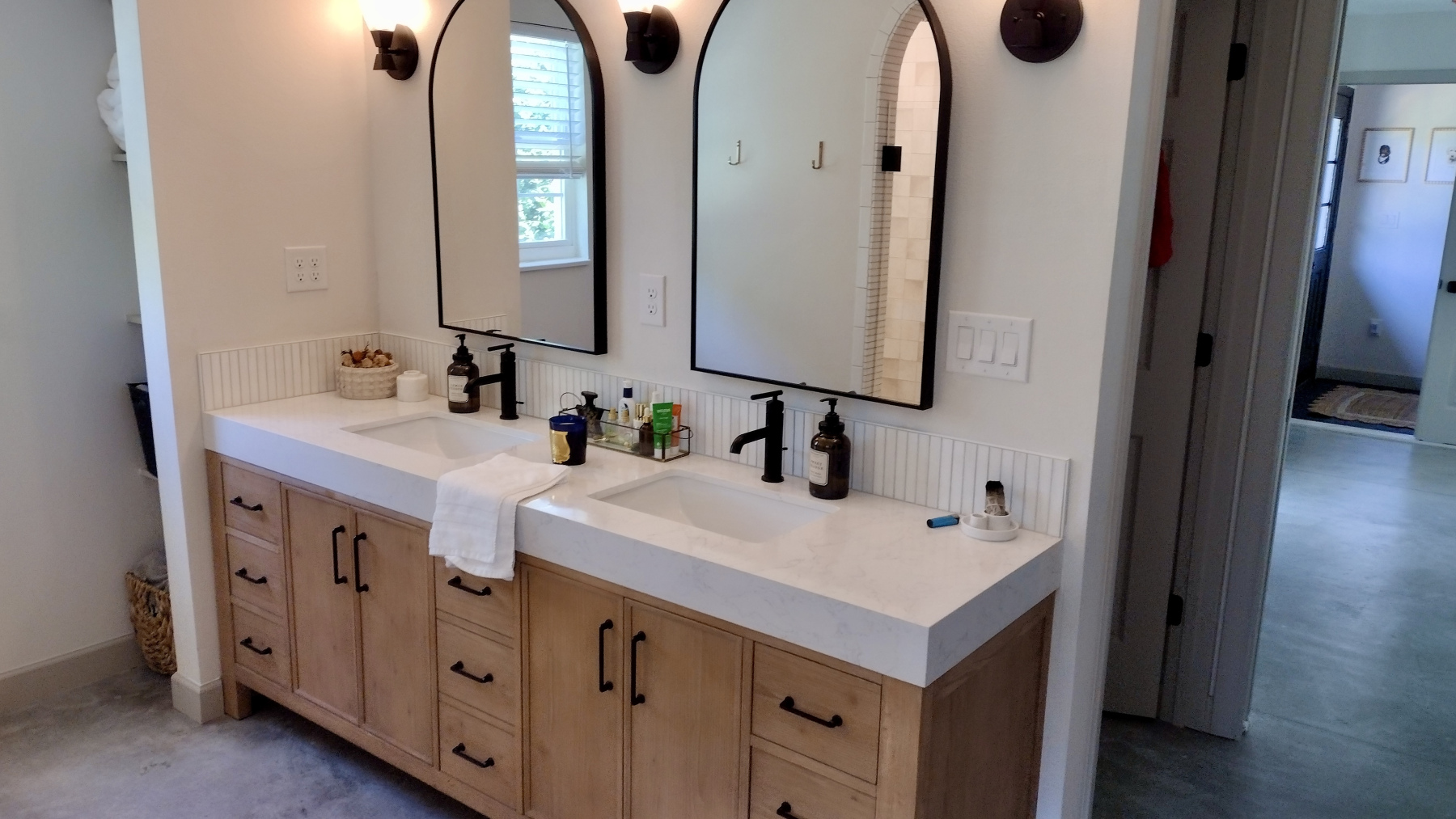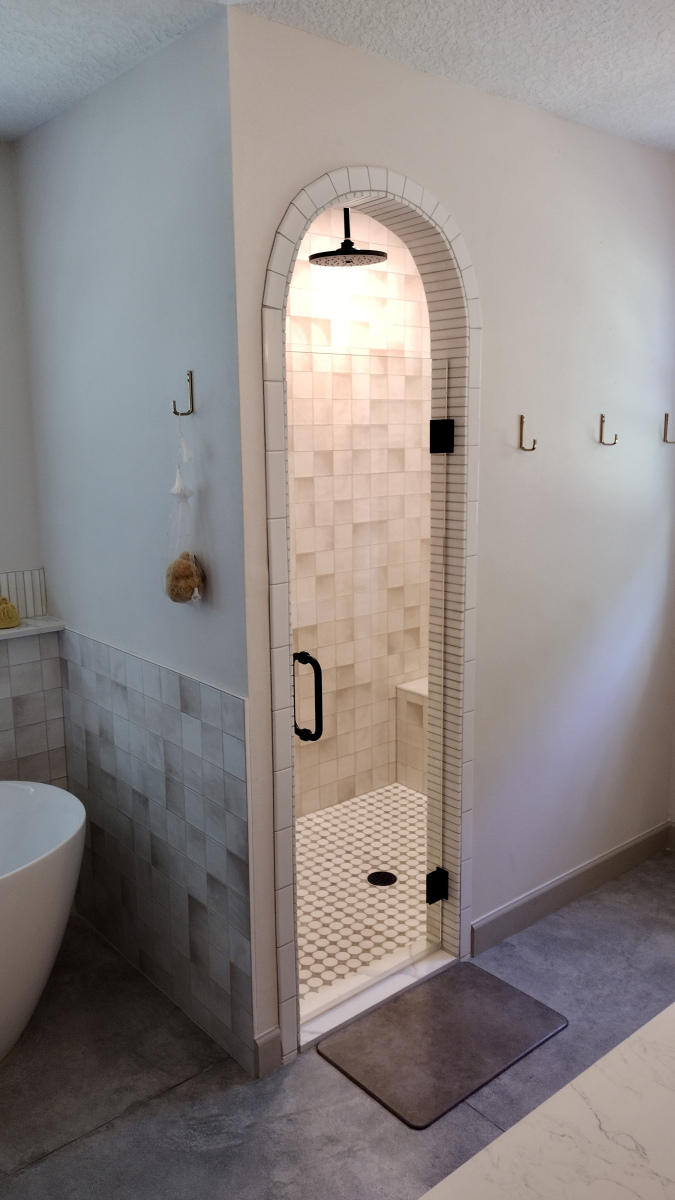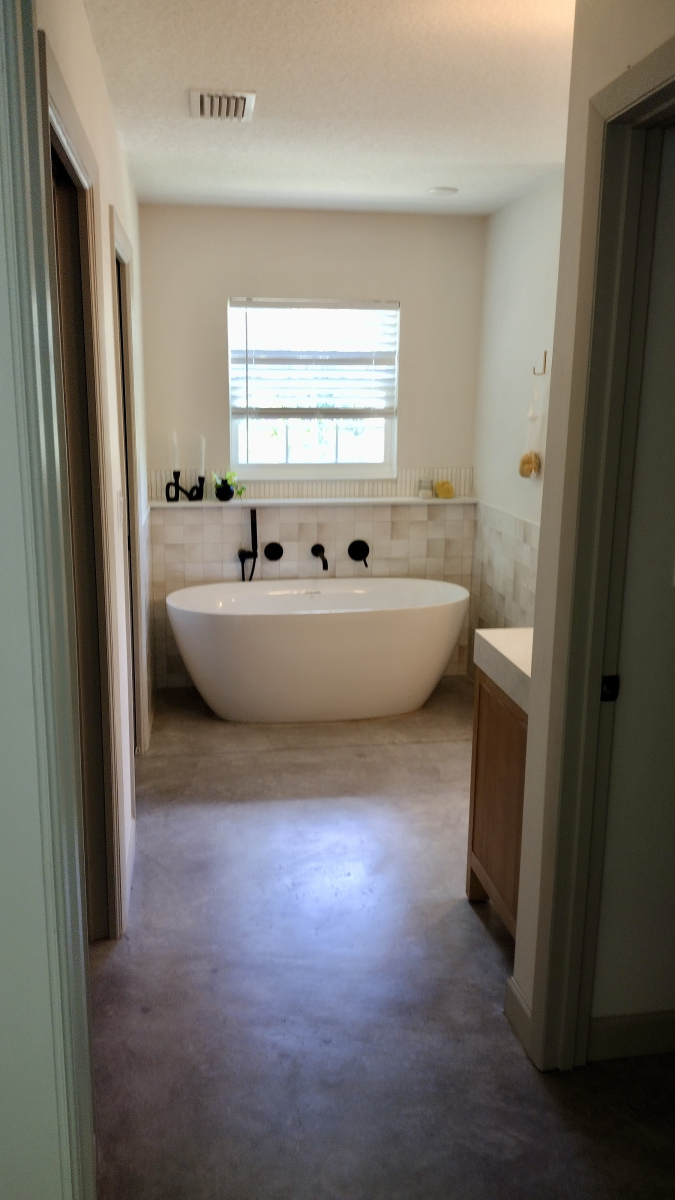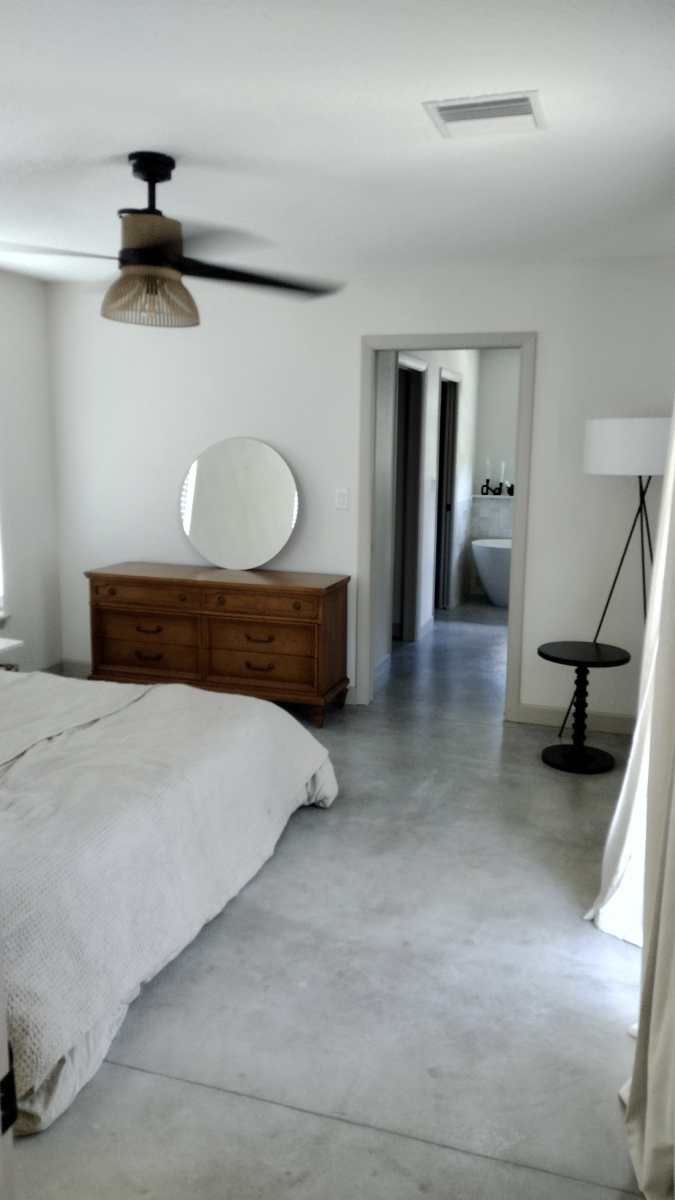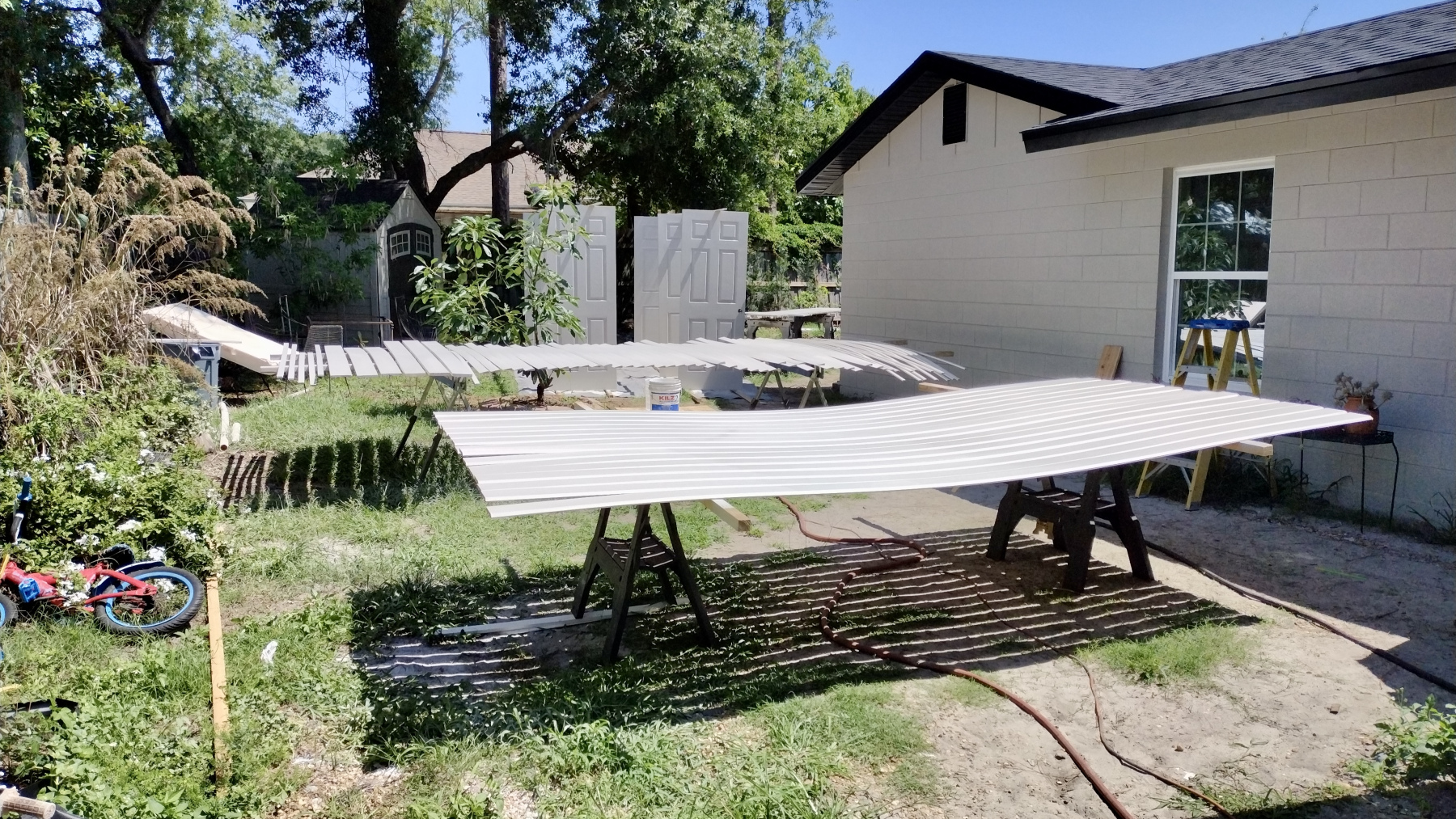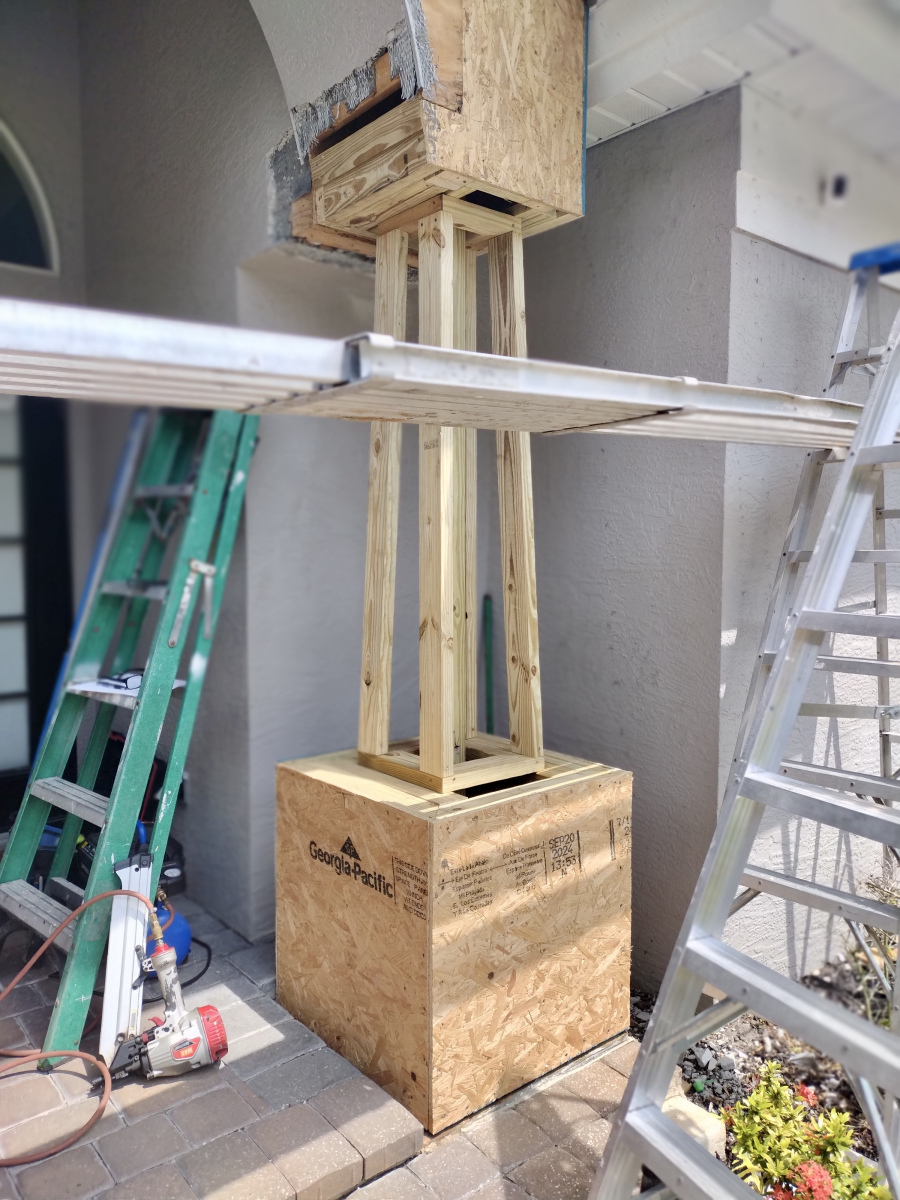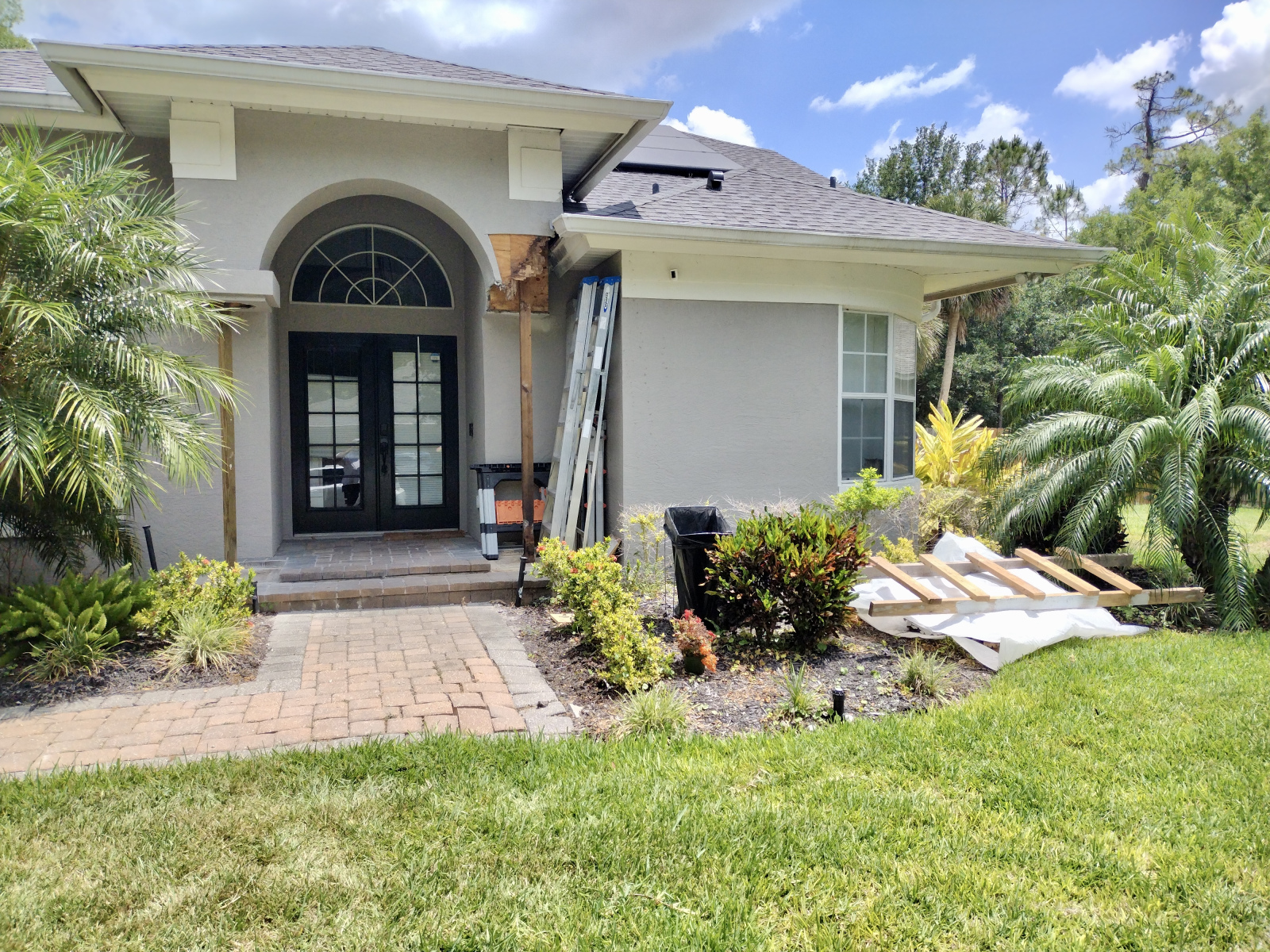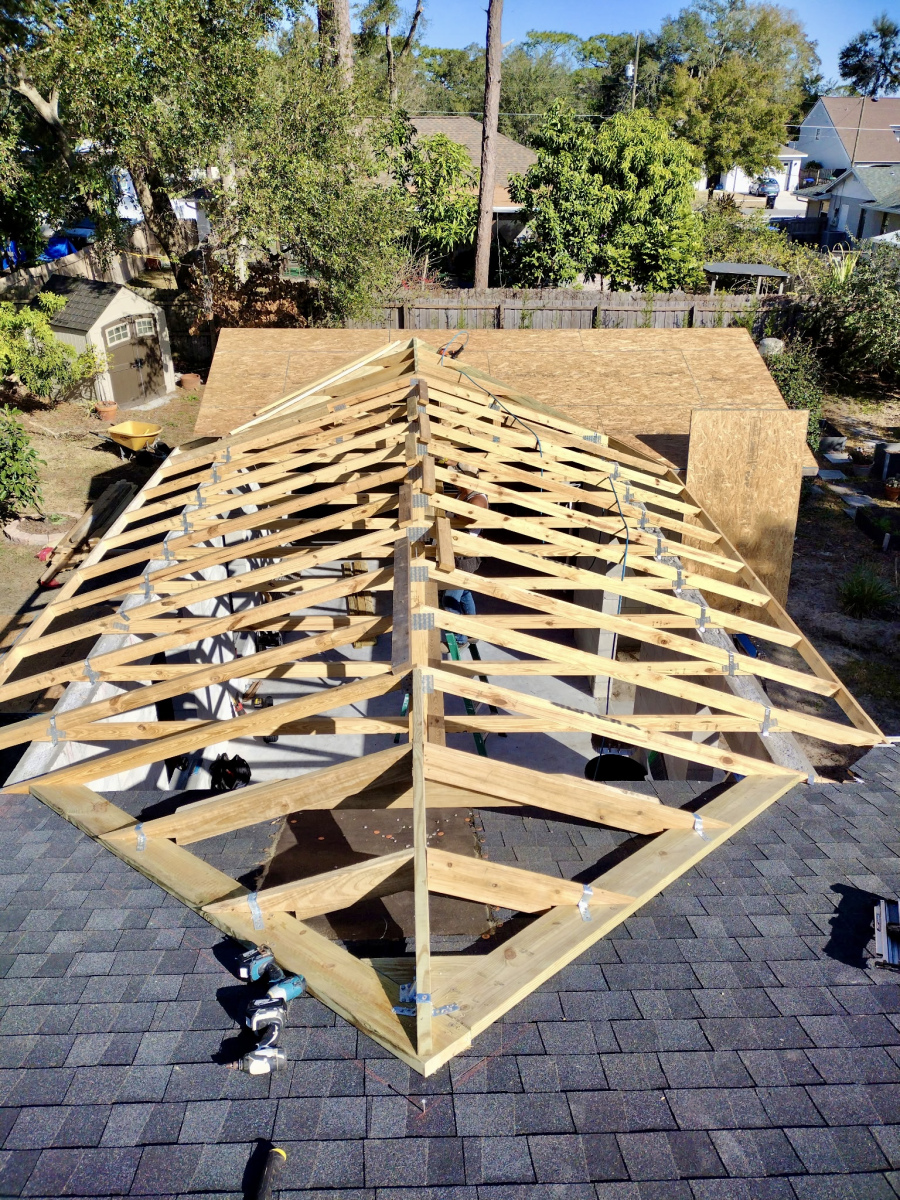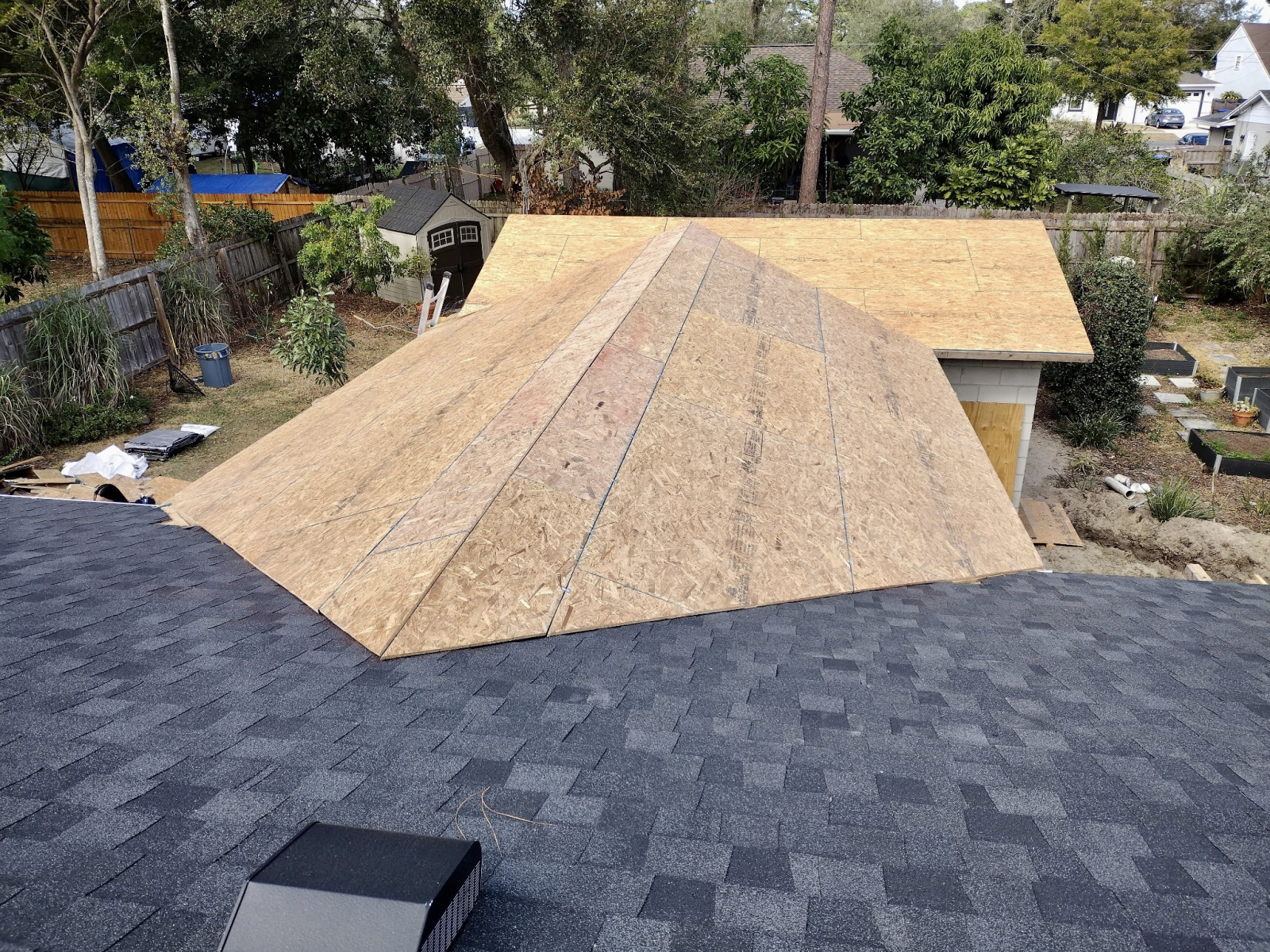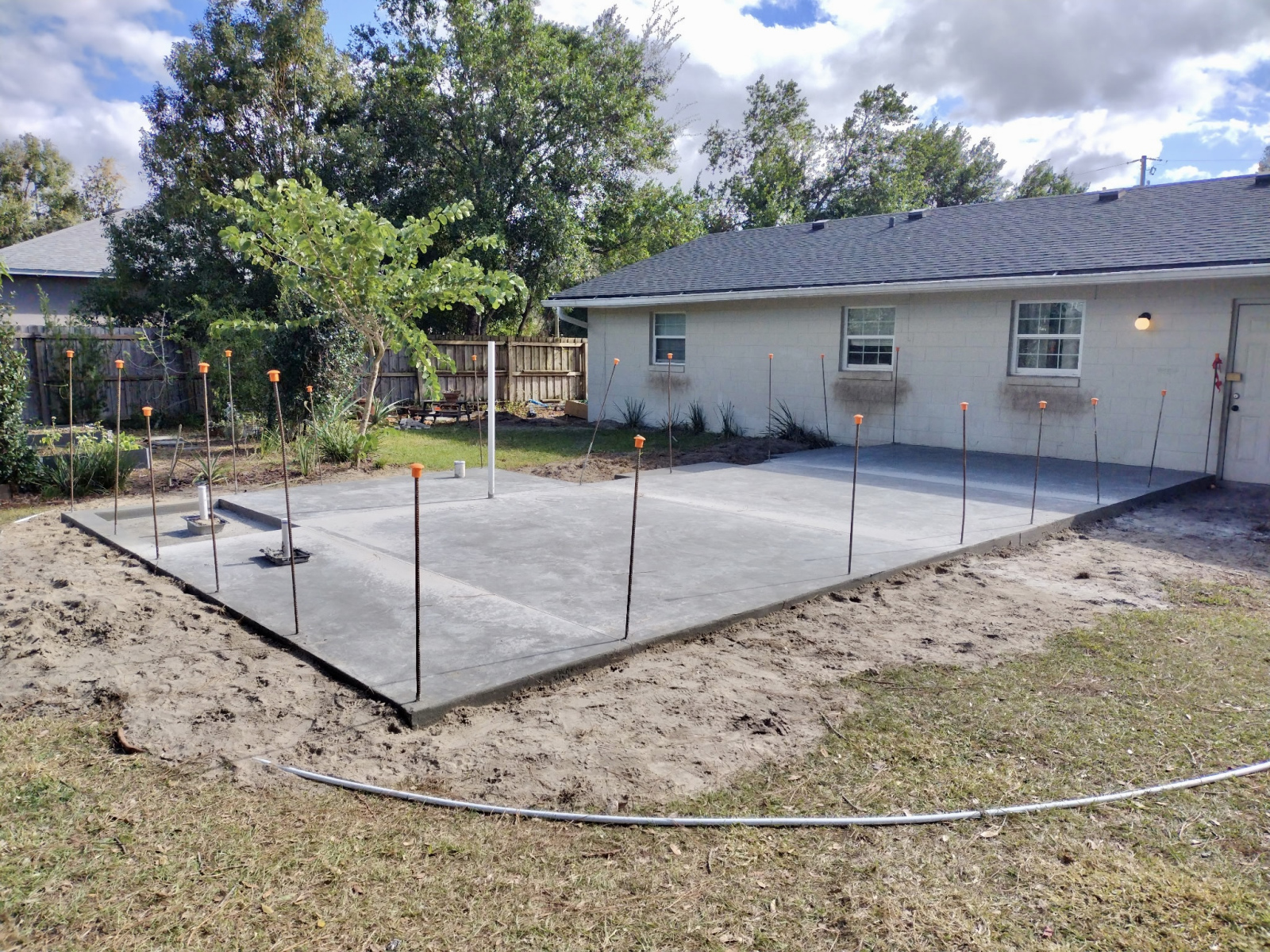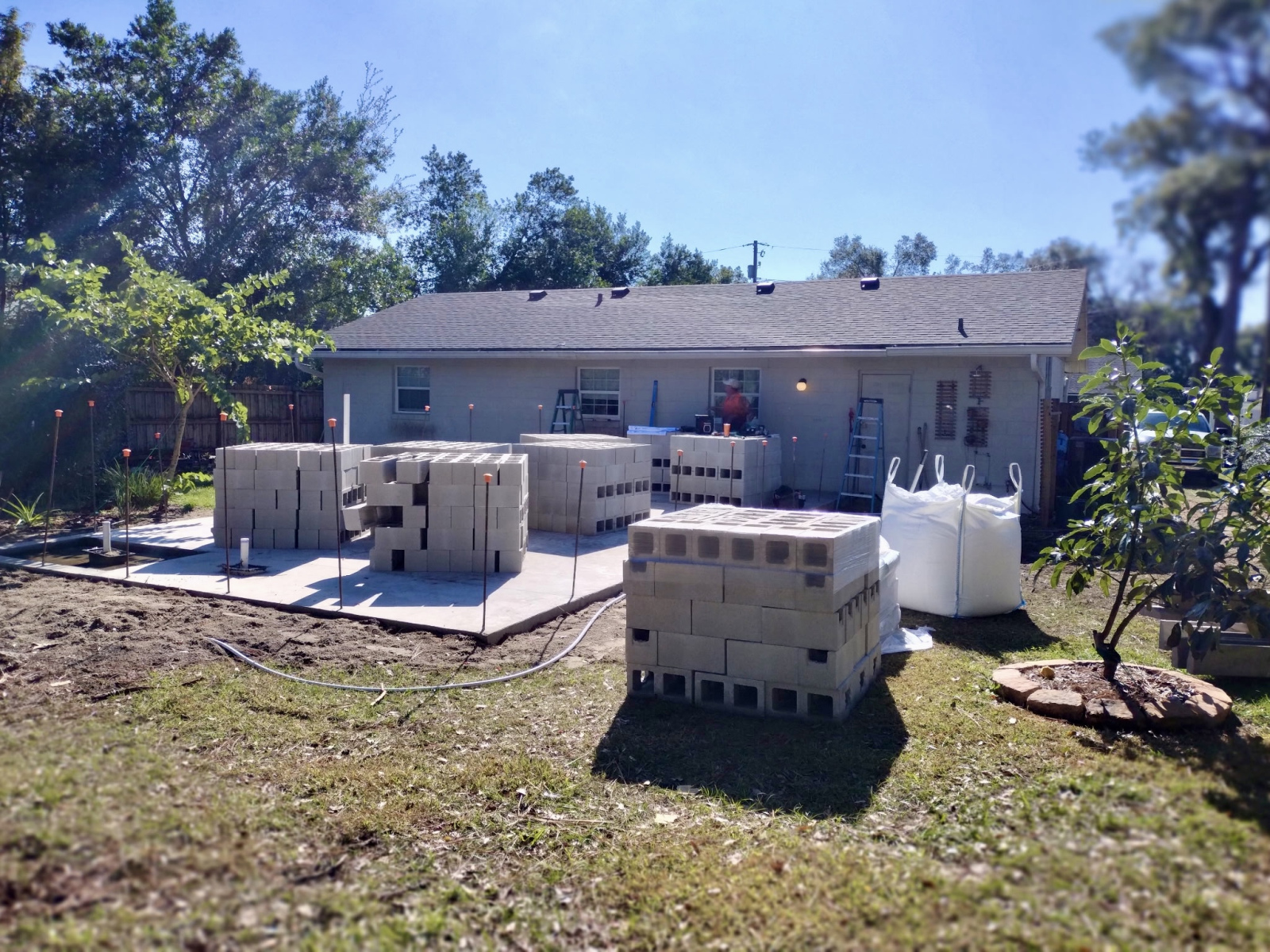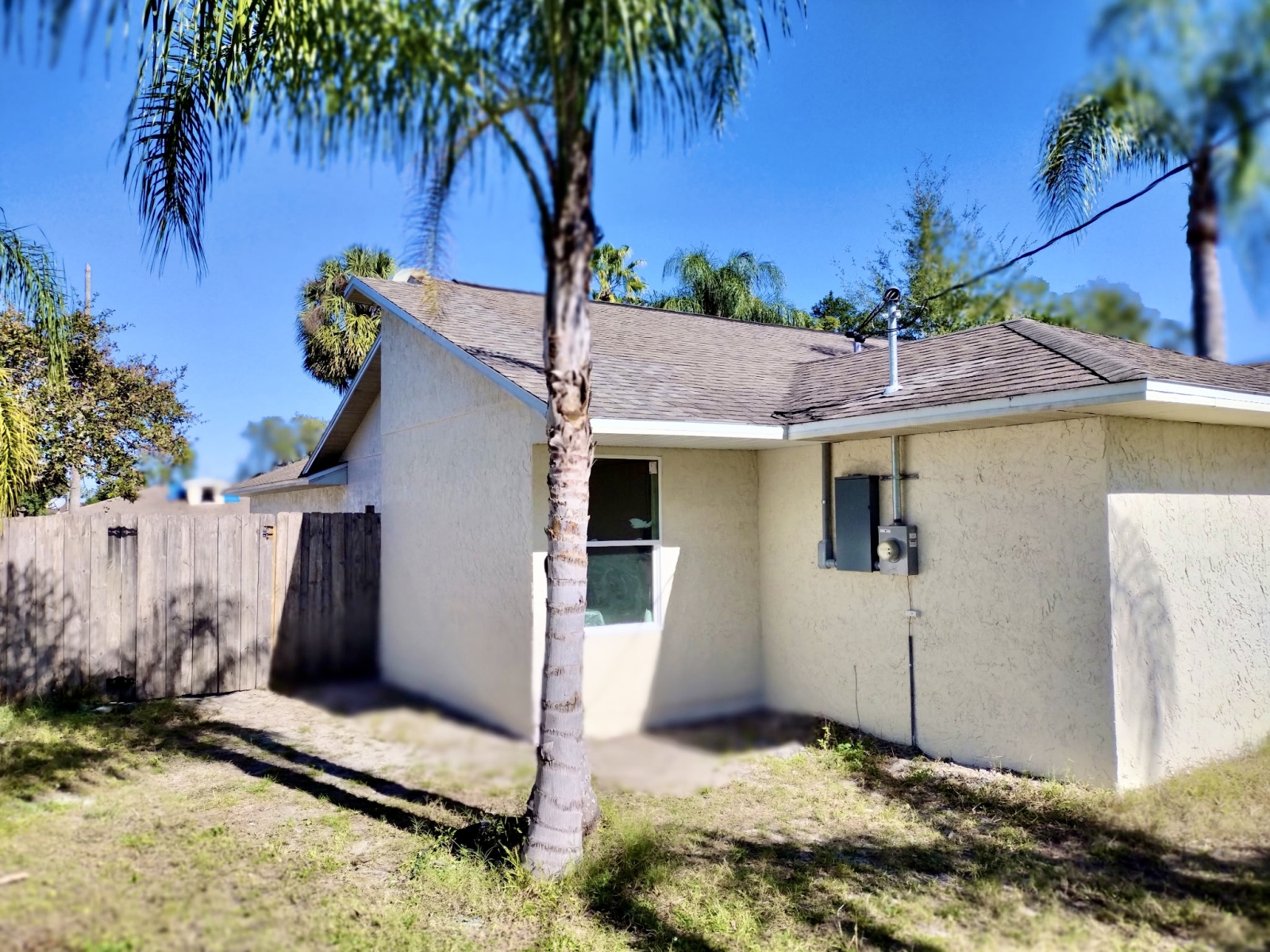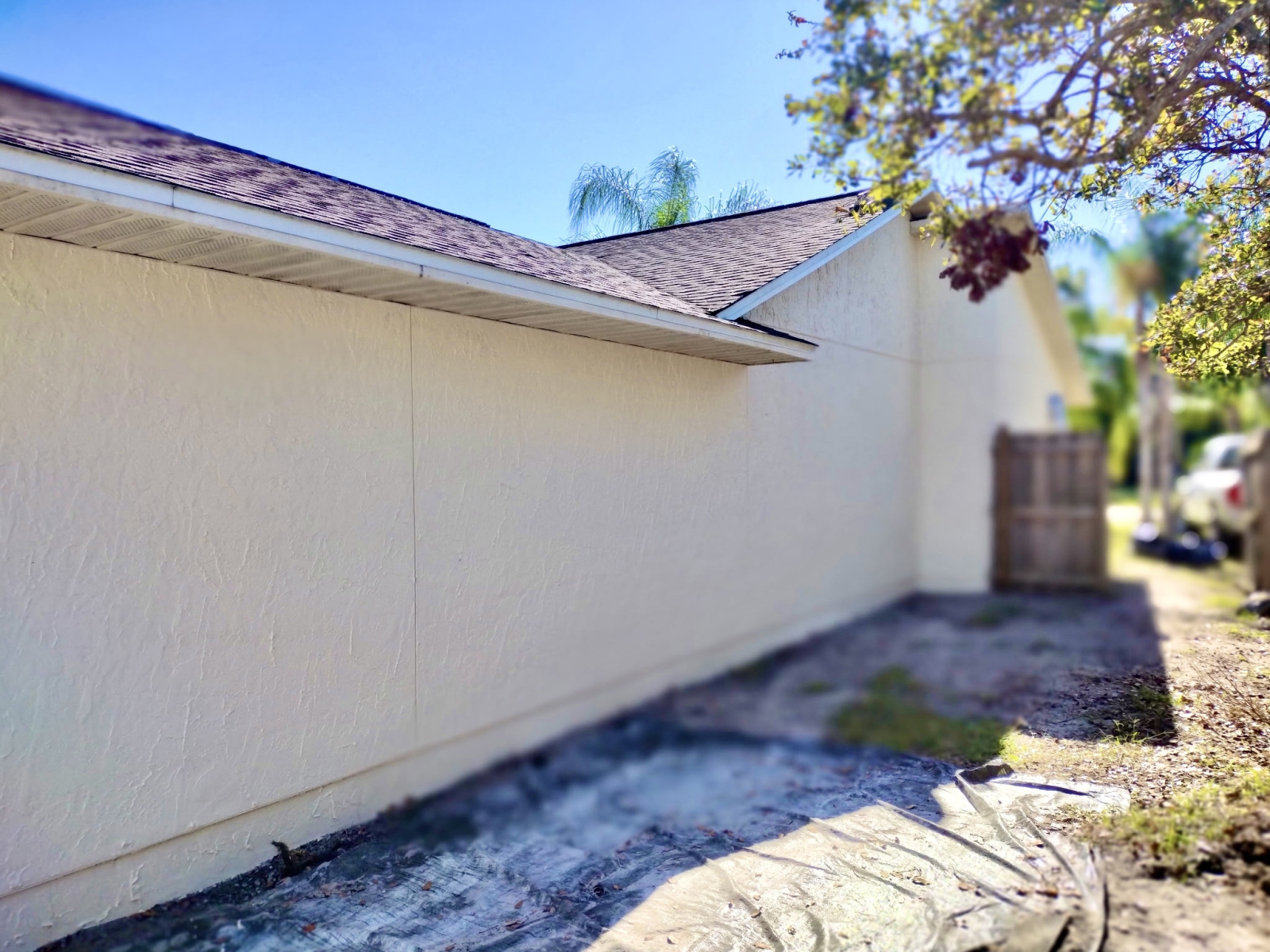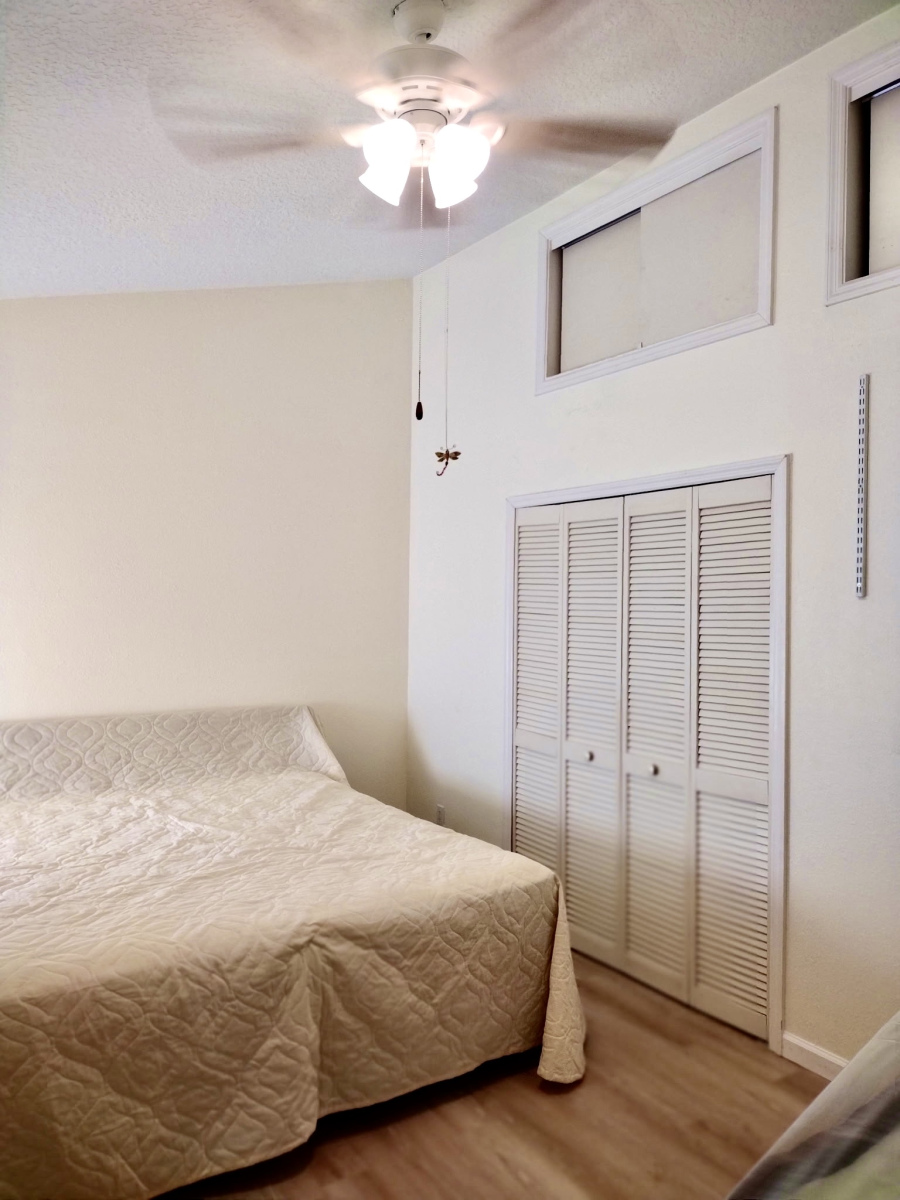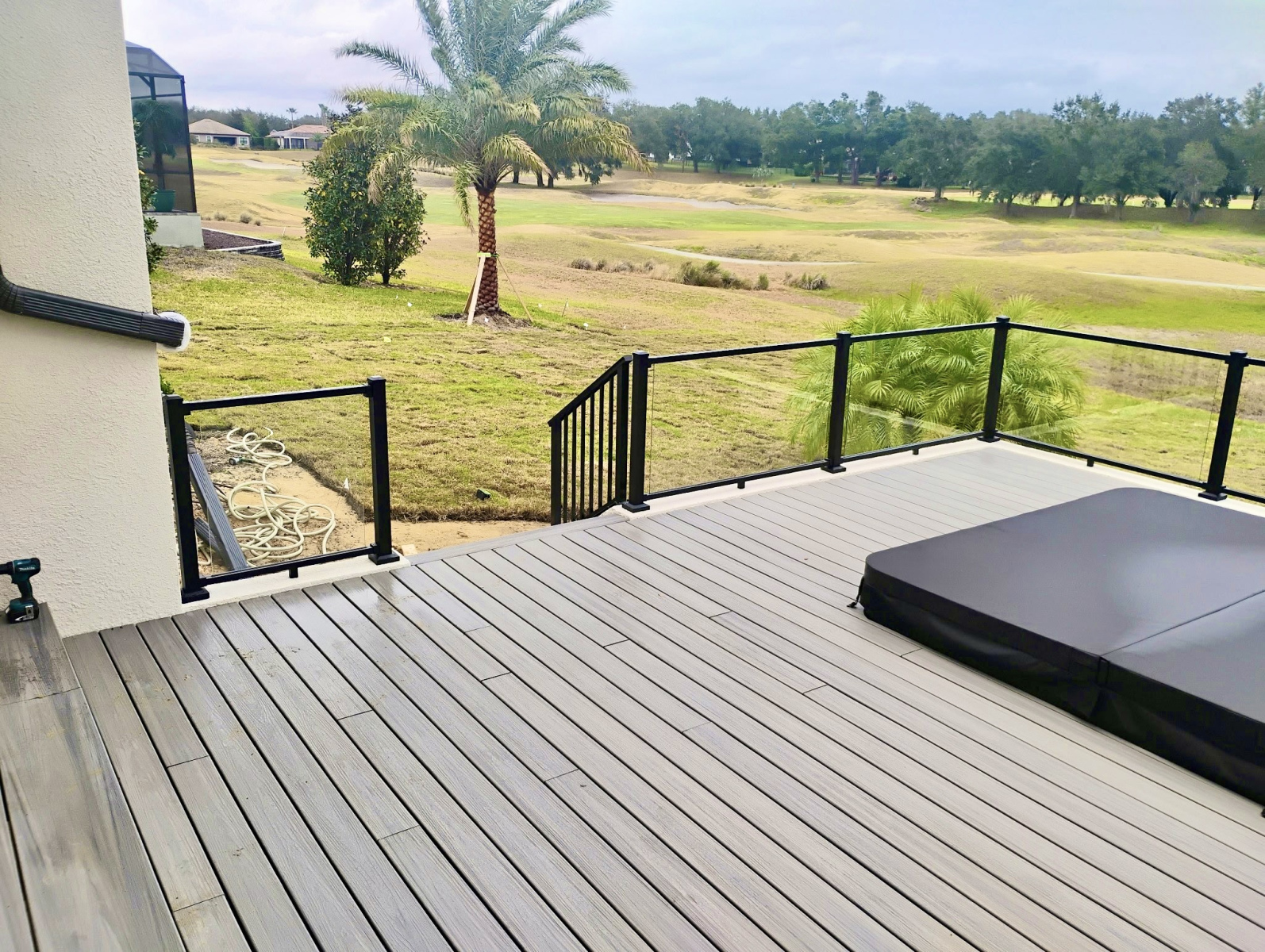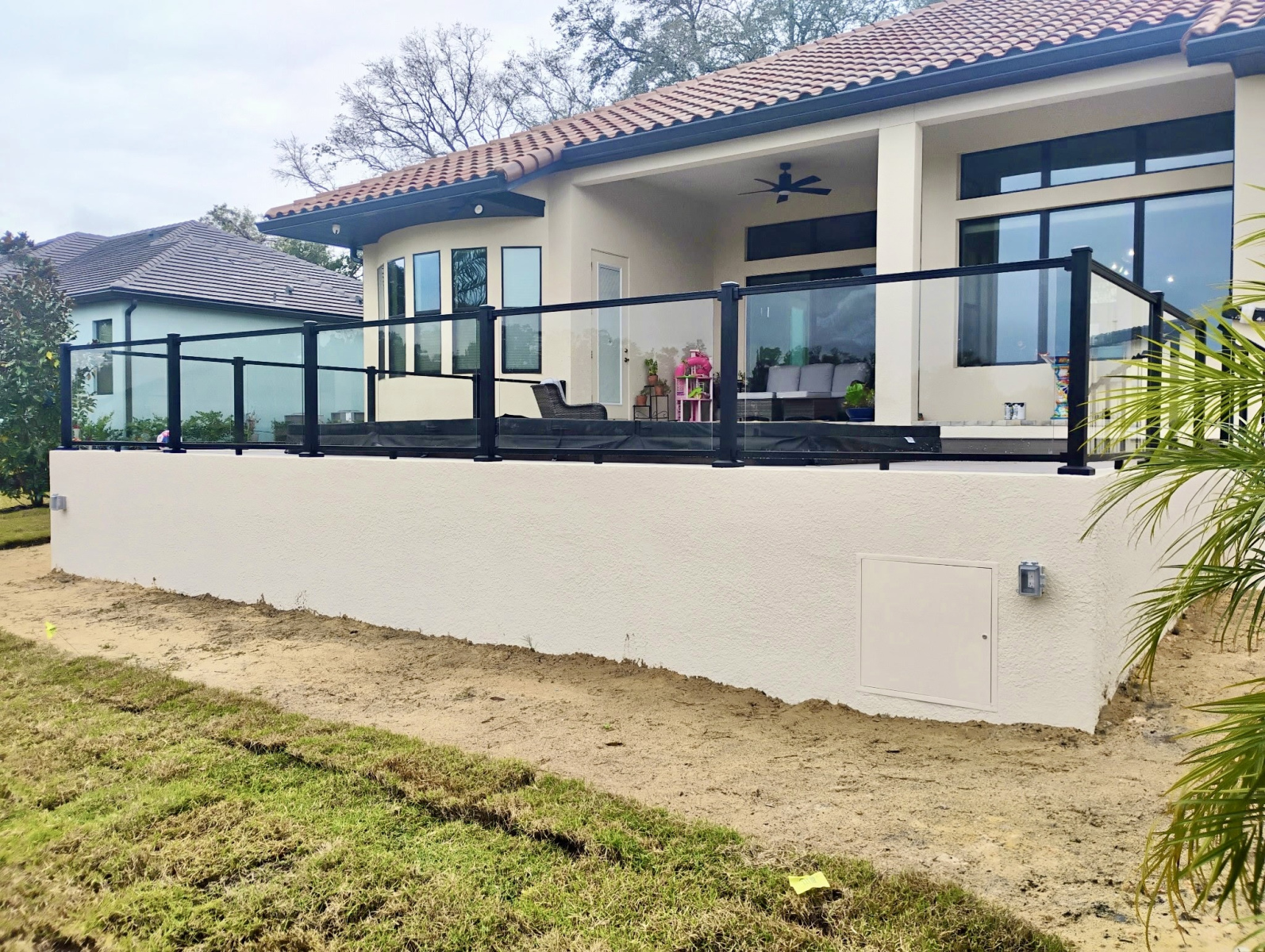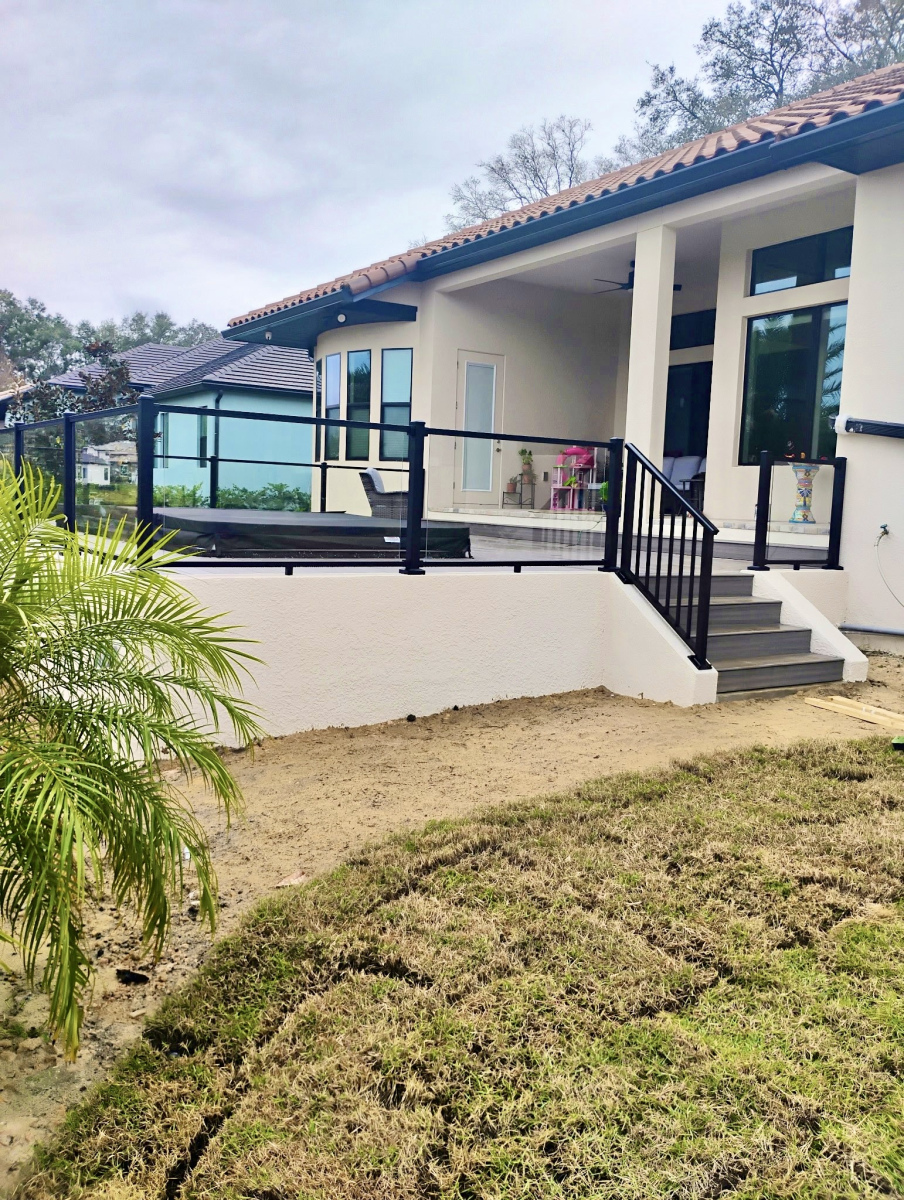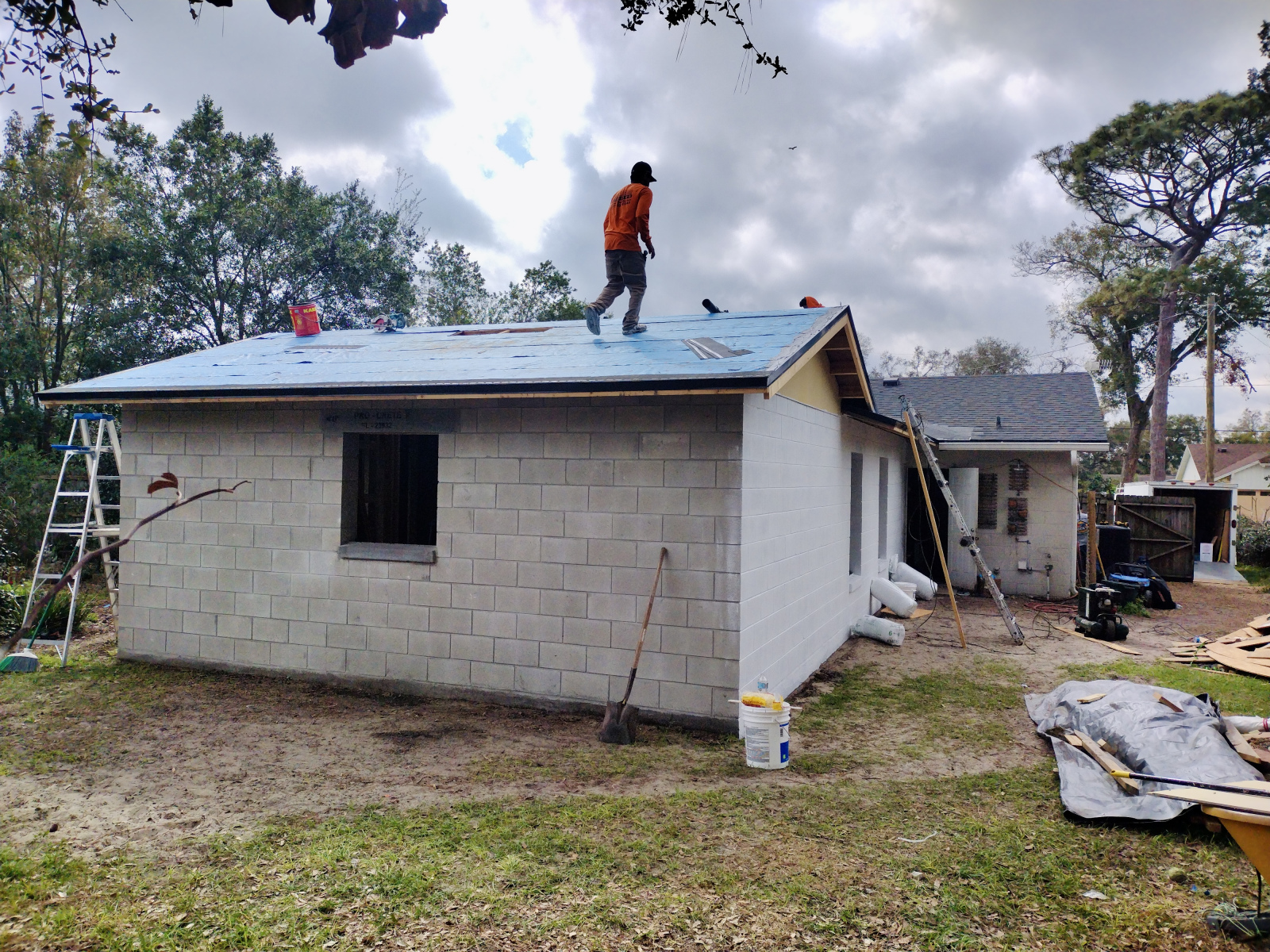
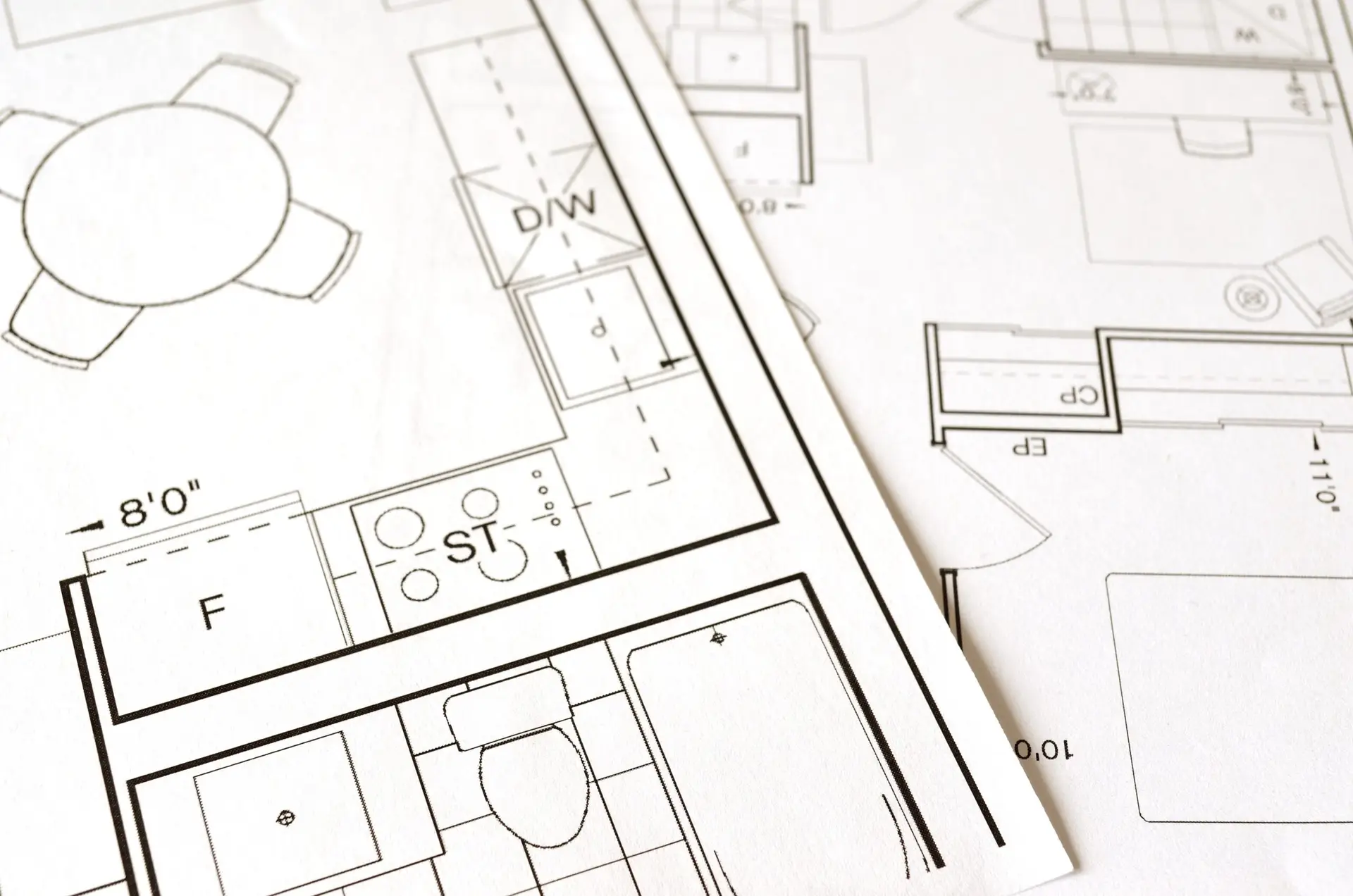
We provide design services for functional and quality interior environments.
Great design can transform your space. From business to residential projects, our expertise follows from innovation and experience. The attention to quality in commercial construction is matched only by our focus on safety. We’ve thought through thousands of questions on behalf of our commercial construction clients to enable successful outcomes for their strategic business goals. No matter the challenge, working together, we’ll turn your vision into a reality.
We design spaces that are unique to each client while utilizing a process that is efficient, flexible, and adaptable. With an emphasis on shaping forward thinking that brings people together, our designs create better places to work, live, and play.
Our Design & Engineering practice is structured to provide services holistically, setting us apart from other firms providing architectural design, interior design, engineering, construction management, design-build. Whether clients elect to engage us to deliver multiple services or a single service, we are capable of leveraging the expertise of various in-house disciplines to advance projects through complex challenges to successful outcomes.
We provide design services for functional and quality interior environments, ranging from full-service and conceptual design. Our full-scale planning and design services for new construction and renovations include master planning, feasibility studies, and full-service architecture from concept to project completion.
Design-build is a construction delivery method where one company handles both the design and construction of your project under a single contract. Rather than coordinating between a separate architect and contractor, you work with one team that takes your project from initial concept through final walkthrough.
This approach has become increasingly popular in Central Florida for both residential and commercial projects, largely because it simplifies communication and keeps timelines on track. Below, you’ll learn how design-build differs from traditional construction, what the process looks like step by step, and how to evaluate whether it’s the right fit for your next project.
What is design-build construction
Design-build is a project delivery method where one company handles both the design and construction of your project under a single contract. Instead of hiring an architect to draw up plans and then separately hiring a contractor to build from those plans, you work with one team that does both. That team typically includes architects, engineers, and builders who collaborate from the very beginning of your project.
This approach creates a single point of accountability. When questions come up or problems arise, you’re not caught between two separate companies trying to figure out whose responsibility it is. Your design-build firm owns the entire process, from the first sketch to the final walkthrough.
The term “design-build” gets used a lot in construction, but the core idea is straightforward: one contract, one team, one point of contact. Everything else flows from that basic structure.
How design-build differs from traditional construction
In traditional construction, often called design-bid-build, you hire an architect first. The architect creates detailed plans and specifications, and then you take those plans out to bid among several general contractors. You pick a contractor, sign a separate contract, and construction begins.
That process works, but it creates a natural separation between the people who design your project and the people who build it. If the architect designs something that’s difficult or expensive to construct, you might not find out until the contractor starts pricing the work. By then, making changes can be costly and time-consuming.
| Aspect | Design-Build | Traditional Design-Bid-Build |
| Number of contracts | One | Two or more |
| Point of contact | Single team | Multiple parties |
| Design and construction coordination | Integrated from the start | Sequential and often separate |
| Accountability | One firm responsible | Split between designer and contractor |
| Typical timeline | Shorter due to overlapping phases | Longer due to sequential phases |
With design-build, your contractor sits at the table during design discussions. They can say, “That wall you’re planning would require a steel beam that adds $15,000 to the budget—here’s an alternative that achieves the same look for less.” That kind of real-time feedback prevents surprises later.
Why design-build works for Central Florida projects
Central Florida has specific building requirements that benefit from early coordination between designers and builders. Hurricane-resistant construction, flood zone regulations, and local energy codes all affect how buildings are designed. When your design team and construction team work together from day one, they can build those requirements into the plans rather than discovering compliance issues during permitting.
The region’s permitting processes also vary by county and municipality. A design-build firm with local experience understands how to navigate permit applications in Orlando, Orange County, Seminole County, and surrounding areas. That familiarity helps avoid delays that can occur when out-of-area firms learn local requirements on the fly.
Florida’s climate presents practical construction considerations too. Soil conditions, humidity, and heat all influence material choices and construction methods. Builders who work in Central Florida regularly know what performs well here and what doesn’t.
Our design-build process from concept to completion
Every design-build project follows a general sequence, though the details vary based on project size and complexity. Understanding what happens at each stage helps you know what to expect and when your input matters most.
1. Initial consultation and feasibility
The process starts with a conversation. You describe what you want to accomplish, and the design-build team evaluates whether your goals are realistic given your site, budget, and timeline. This phase often includes a site visit, preliminary budget discussions, and an honest assessment of what’s possible.
If your project is feasible, you’ll receive a proposal outlining scope, estimated costs, and timeline. At R & G Builders, this initial consultation is free, which gives you a chance to explore your options before committing to anything.
2. Design development
Once you decide to move forward, the design phase begins. Architects create floor plans, elevations, and construction documents while engineers handle structural, mechanical, and electrical , plumbing (MEP) systems. Throughout this phase, the construction team provides input on costs, materials, and buildability.
You’ll review designs at key milestones and provide feedback. The goal is to finalize plans that reflect your vision while staying within budget. Because builders are involved in this phase, the designs that emerge are practical to construct, not just attractive on paper.
3. Permitting and approvals
With completed designs in hand, your design-build firm prepares and submits permit applications to the appropriate local authorities. The team responds to any questions from plan reviewers and makes revisions if required.
Permitting timelines vary depending on project complexity and local government workloads. Your project manager keeps you informed of progress and any issues that arise during this phase.
4. Construction
Construction begins once permits are approved. Your project manager coordinates subcontractors, manages the schedule, orders materials, and oversees quality control. You’ll receive regular updates on progress and have opportunities to visit the site at appropriate times.
Because the same team that designed your project is now building it, there’s continuity in understanding your goals. Questions that come up during construction can be resolved quickly since the designers and builders work for the same company.
5. Final walkthrough and closeout
Before you take possession, you’ll walk through the completed project with your team. This walkthrough identifies any items that need attention, often called a punch list. Once those items are addressed and final inspections pass, the project closes out.
You’ll receive documentation including warranties, maintenance information, and as-built drawings showing the final construction. At R & G Builders, all work is guaranteed in writing, giving you confidence that any issues will be addressed.
Services included in design-build projects
A full-service design-build firm brings together multiple disciplines. Here’s what that typically includes:
- Architectural design: Floor plans, elevations, and construction documents that meet code requirements and reflect your vision
- Engineering coordination: Structural, mechanical, electrical, and plumbing engineering integrated with the architectural design
- Interior design: Space planning, finish selections, and specifications for interior elements
- Construction management: Scheduling, budgeting, subcontractor coordination, and quality oversight
- Permitting services: Preparing applications, responding to plan review comments, and coordinating inspections
Some firms also offer master planning and feasibility studies for larger or more complex projects. These services help you understand what’s possible before committing to full design and construction.
Types of projects suited for design-build
Design-build works across many project types, though certain situations benefit more than others from the integrated approach.
Commercial buildouts and tenant improvements often operate on tight timelines. Business owners want to open quickly, and delays caused by miscommunication between separate design and construction teams can be costly. Having one firm manage everything helps keep commercial projects on schedule.
Custom homes involve countless decisions about layout, finishes, and systems. When your designer and builder work together, they can help you understand the cost implications of different choices in real time. That collaboration leads to better decisions and fewer surprises.
Major renovations and additions require tying new construction into existing structures. Unexpected conditions often emerge once walls are opened up. Design-build teams can adapt plans quickly without the formal change order processes that slow down traditional projects.
Tip: If your project involves significant unknowns, like renovating an older building or working with a challenging site, design-build’s flexibility becomes especially valuable. The integrated team can respond to discoveries without the delays that come from coordinating between separate companies.
Benefits of choosing design-build
The practical advantages of design-build come from having one team responsible for the entire project.
- Faster project delivery: Design and construction phases can overlap. While traditional projects require completing all design work before construction begins, design-build allows early construction to start while later phases are still being designed.
- More accurate budgets: Your builder participates in design discussions and provides cost feedback throughout. Budgets reflect actual construction costs rather than theoretical estimates.
- Clearer accountability: With one contract and one responsible party, there’s no ambiguity about who fixes problems. If something goes wrong, your design-build firm handles it.
- Smoother communication: Designers and builders who work for the same company share information naturally. Decisions happen faster because everyone is working toward the same goal.
These benefits don’t mean design-build is right for every situation. If you want to select your architect and contractor independently, or if you prefer the competitive bidding process, traditional delivery might suit you better. But for many projects, especially those where speed and coordination matter, design-build offers real advantages.
What to look for in a Central Florida design-build firm
Finding the right design-build partner involves evaluating several factors beyond just price.
Experience with your project type matters significantly. A firm that specializes in commercial construction may not be the best fit for a custom home. Ask about similar projects they’ve completed and request references from clients with comparable needs.
Local knowledge affects how smoothly your project runs. Firms with deep roots in Central Florida understand local permitting processes, have relationships with reliable subcontractors, and know how to build for the region’s climate and conditions.
In-house capabilities vary among design-build firms. Some have architects and engineers on staff, while others subcontract design services. Neither approach is inherently better, but understanding how a firm operates helps you know what to expect.
Communication practices indicate how your project will be managed. Ask how often you’ll receive updates, who your main point of contact will be, and how decisions and changes get documented.
Request a free consultation or quote to discuss your project with R & G Builders. With over 40 years of experience serving Central Florida, we can help you determine whether design-build is the right approach for your specific situation.
Frequently asked questions
How long does a design-build project typically take?
Timelines depend heavily on project scope. A small renovation might take three to four months from initial consultation to completion. A custom home or major commercial project could span twelve months or longer. Design-build generally compresses timelines compared to traditional methods because design and construction phases can overlap, but the total duration still depends on what you’re building.
Is design-build more expensive than traditional construction?
The initial contract price for design-build isn’t necessarily lower than traditional construction. However, the total cost of a project often comes out better with design-build because there are fewer change orders, fewer delays, and more accurate budgeting from the start. When you factor in time savings and reduced risk of disputes, design-build frequently delivers better overall value.
Do you handle permitting and engineering?
Yes. Full-service design-build firms coordinate all permitting and engineering as part of their scope. At R & G Builders, we prepare permit applications, respond to plan review comments, coordinate with local building departments, and schedule all required inspections throughout construction.
What areas of Central Florida do you serve?
R & G Builders serves Orlando and the surrounding Central Florida region for both residential and commercial projects. Request a free consultation or quote to discuss your specific project location and determine whether we’re a good fit for your needs.
Call Us Now for a FREE in-home consultation!
(407) 788-1166