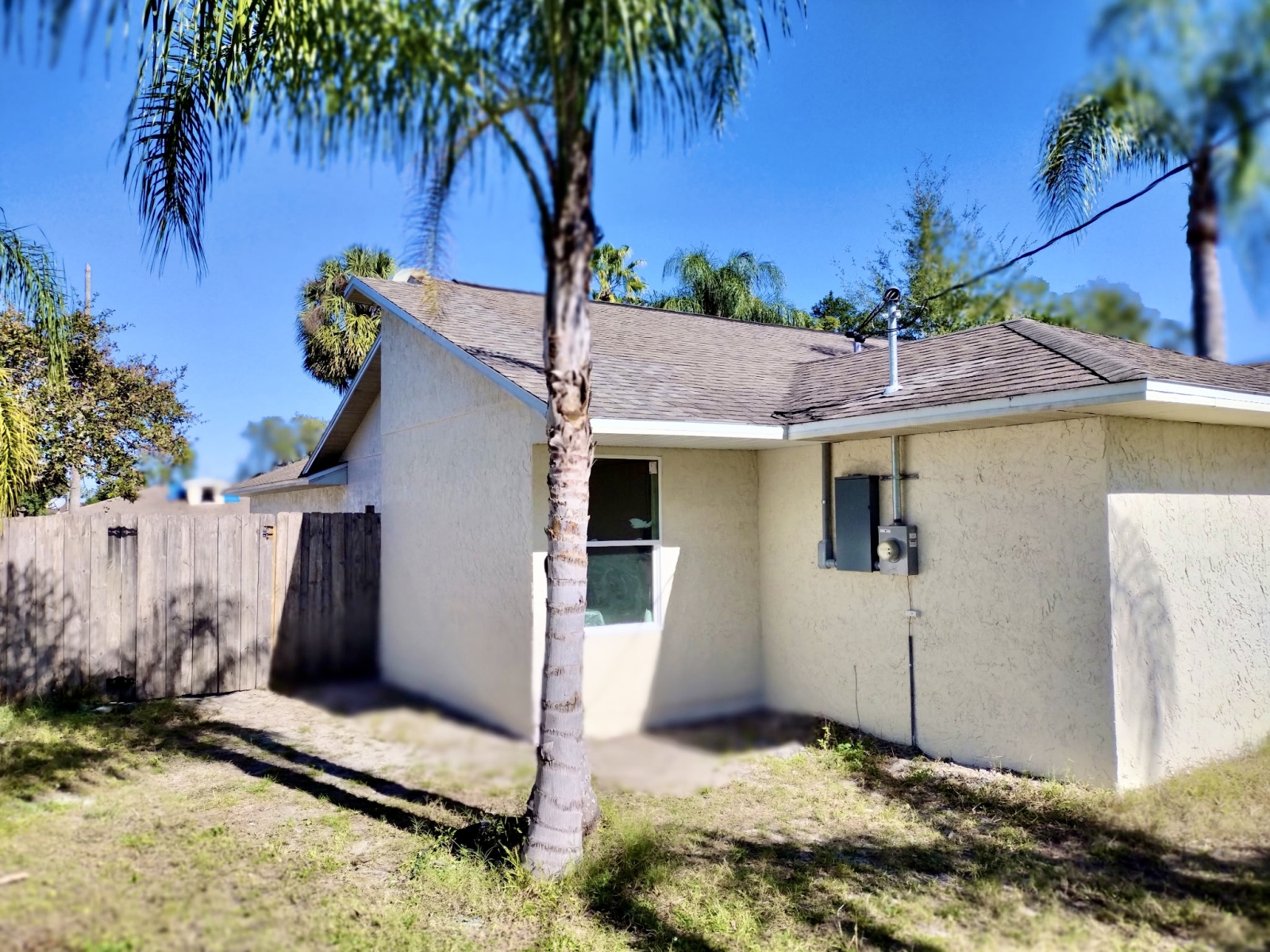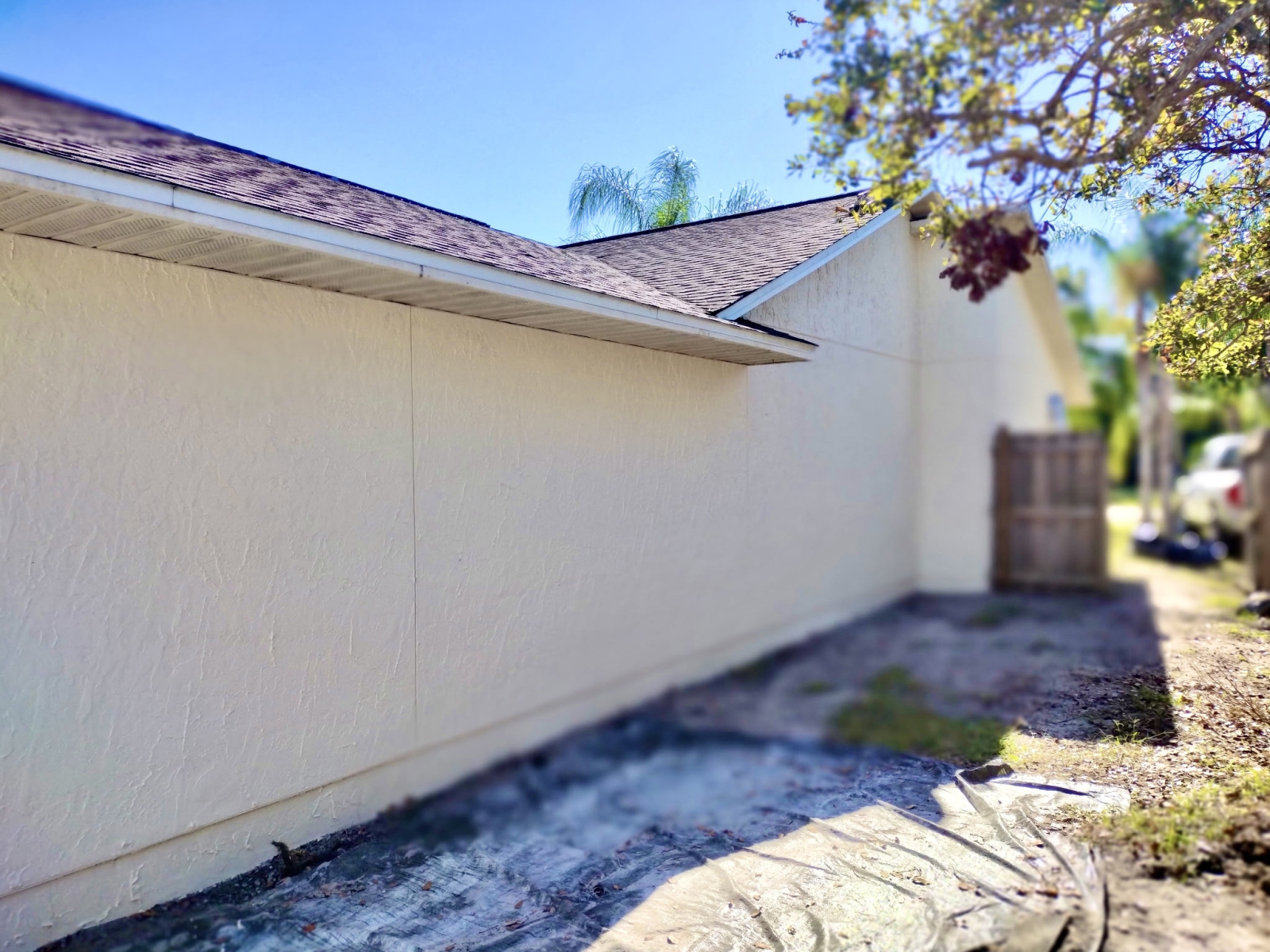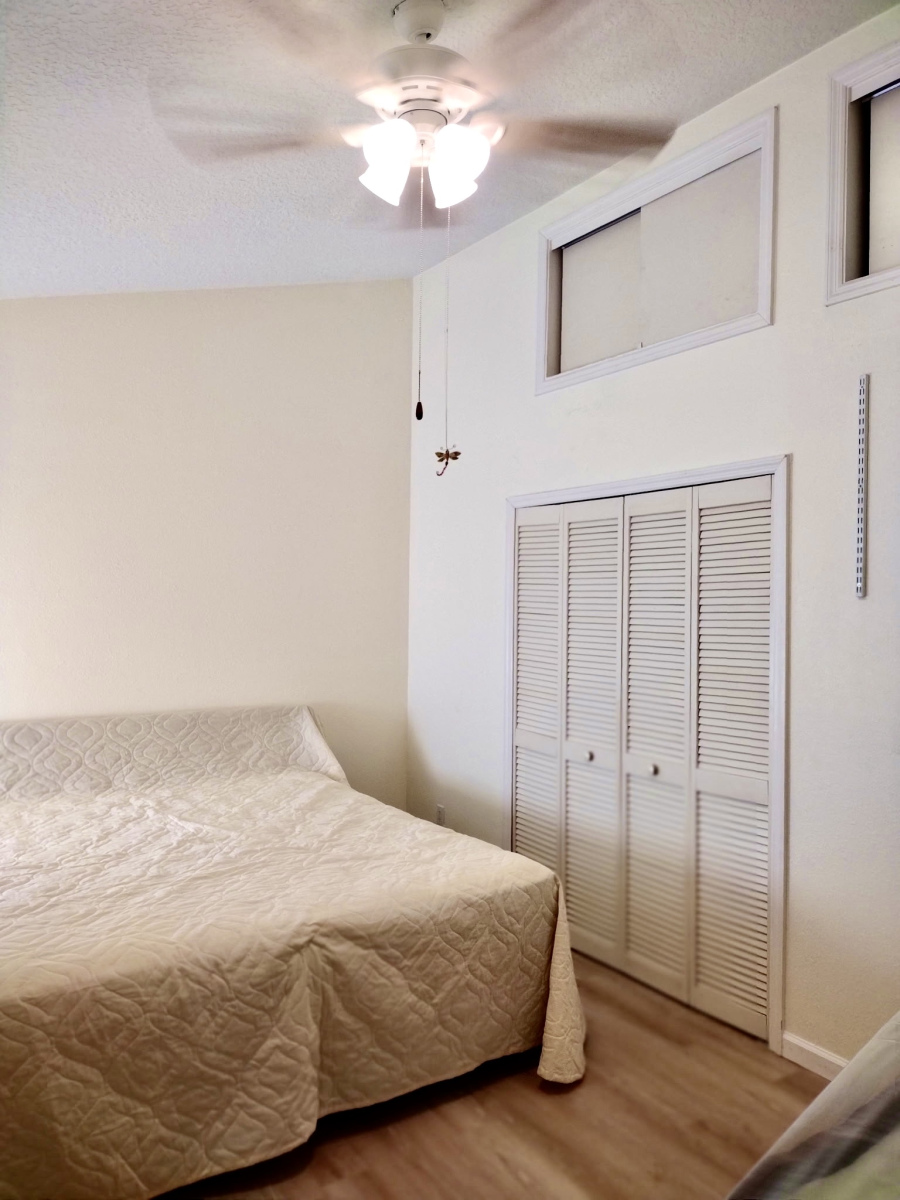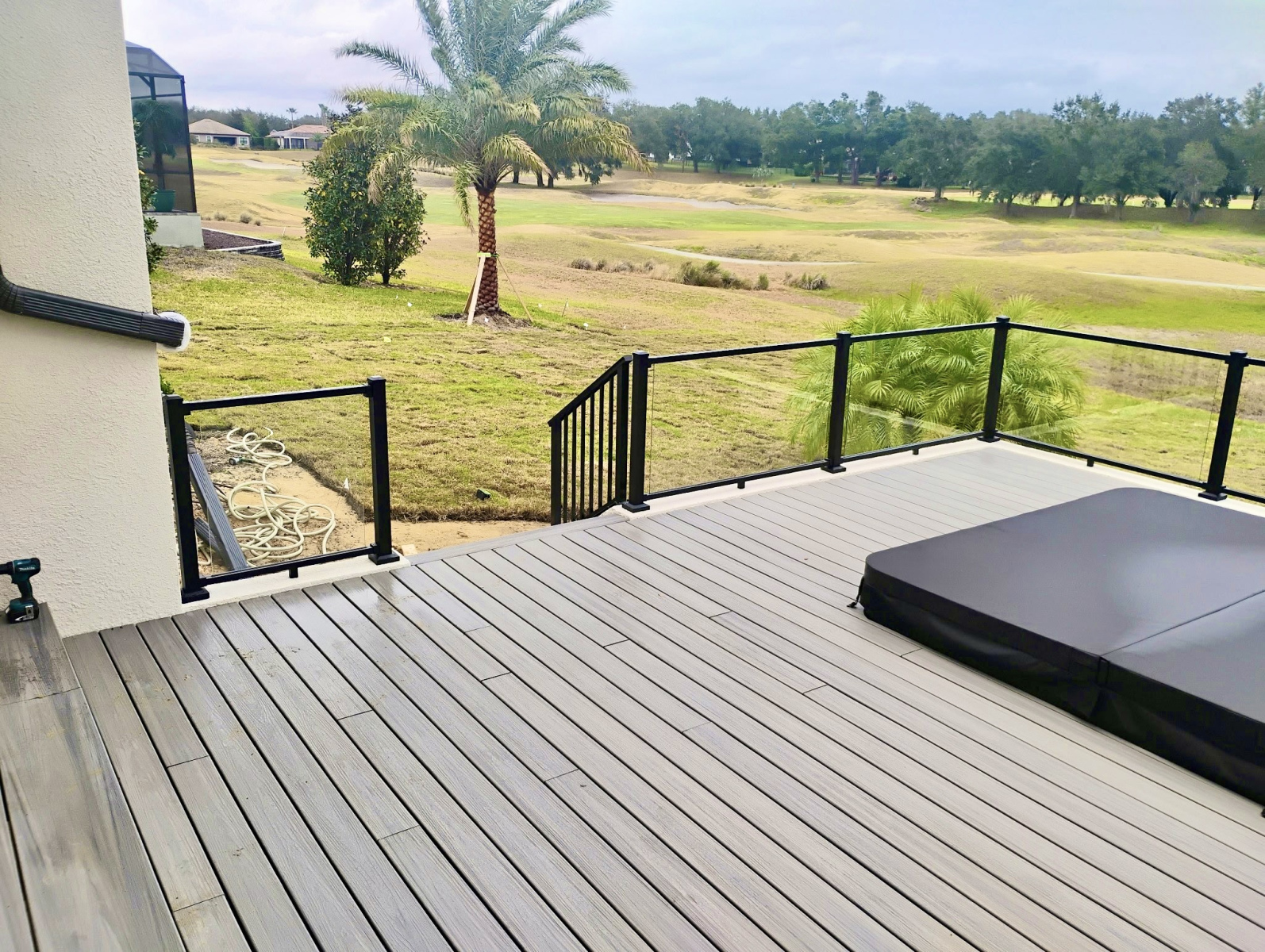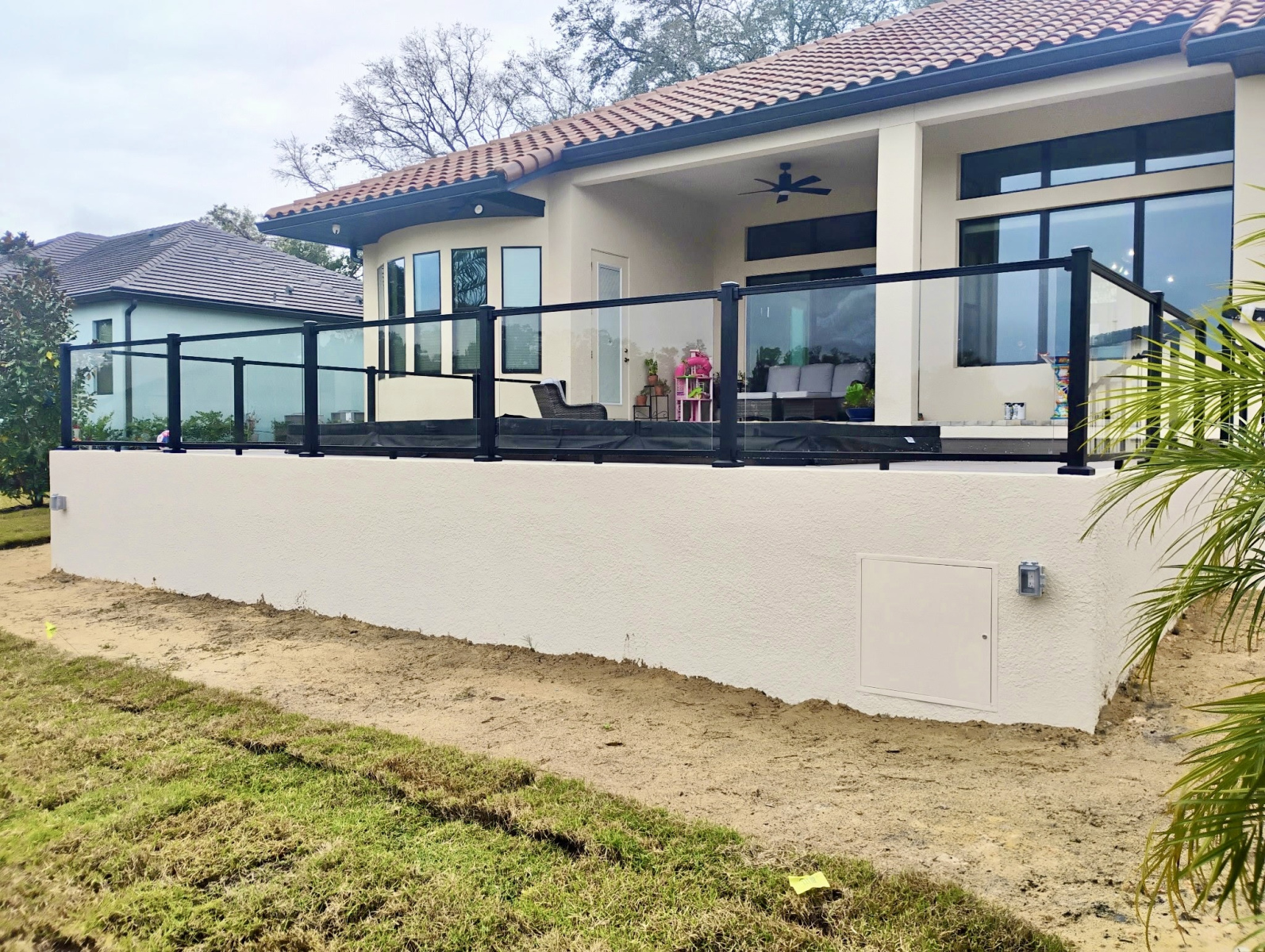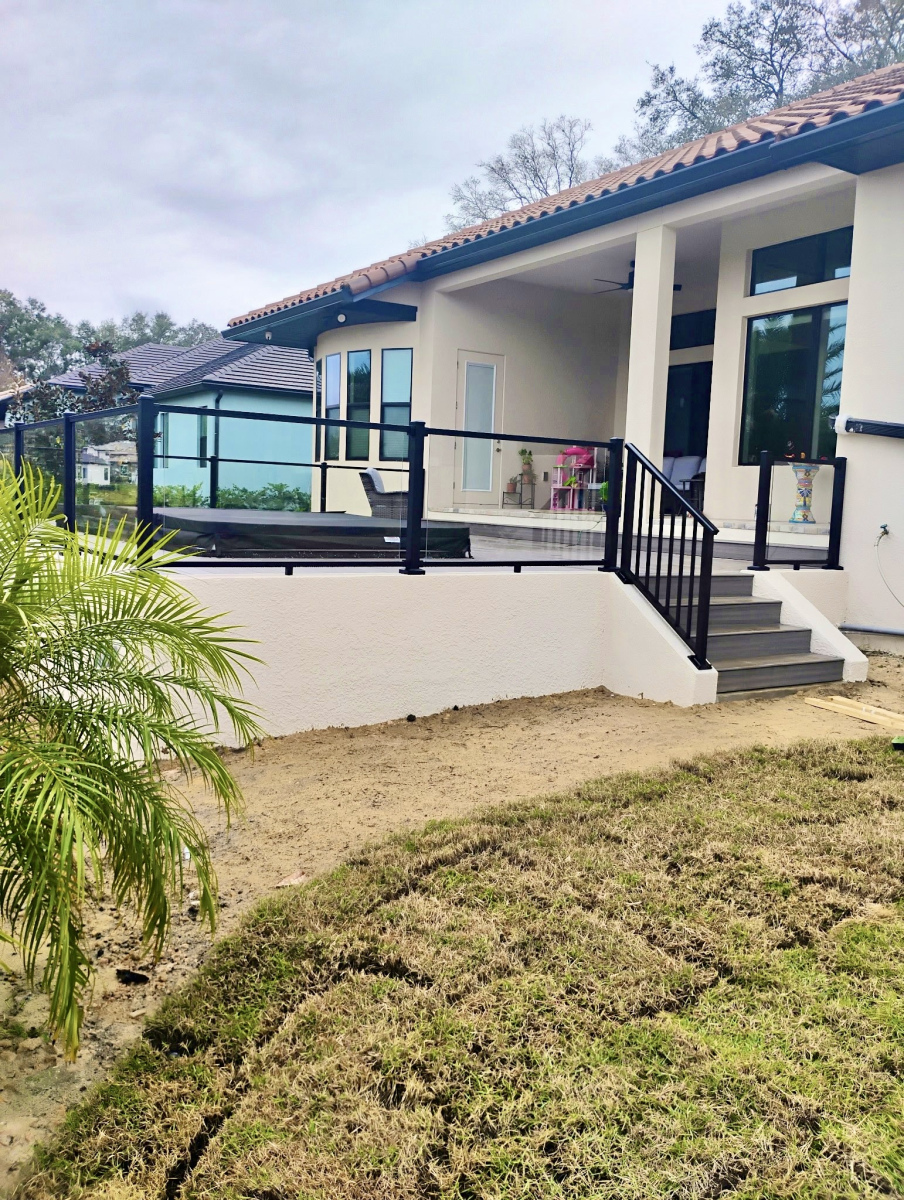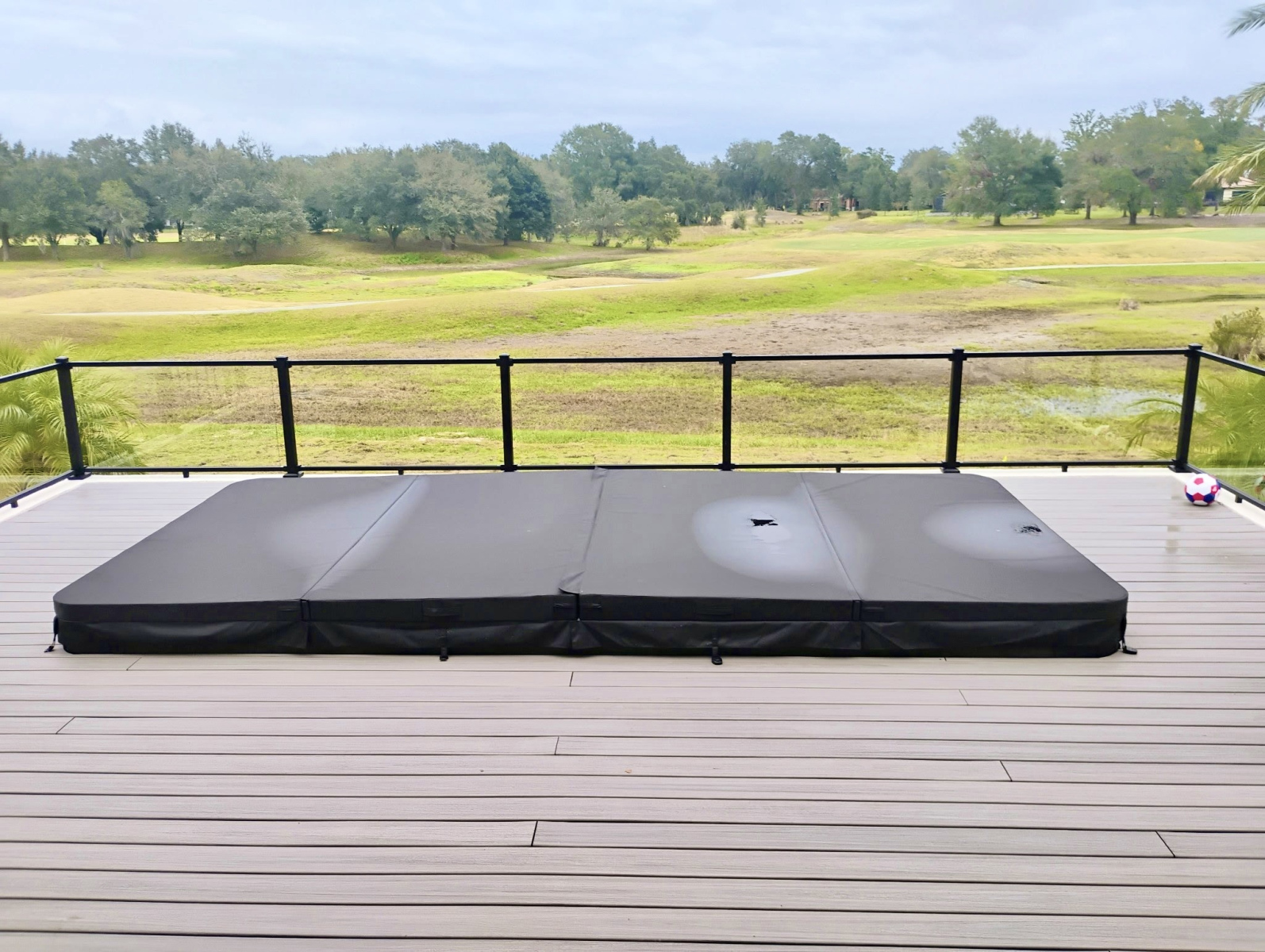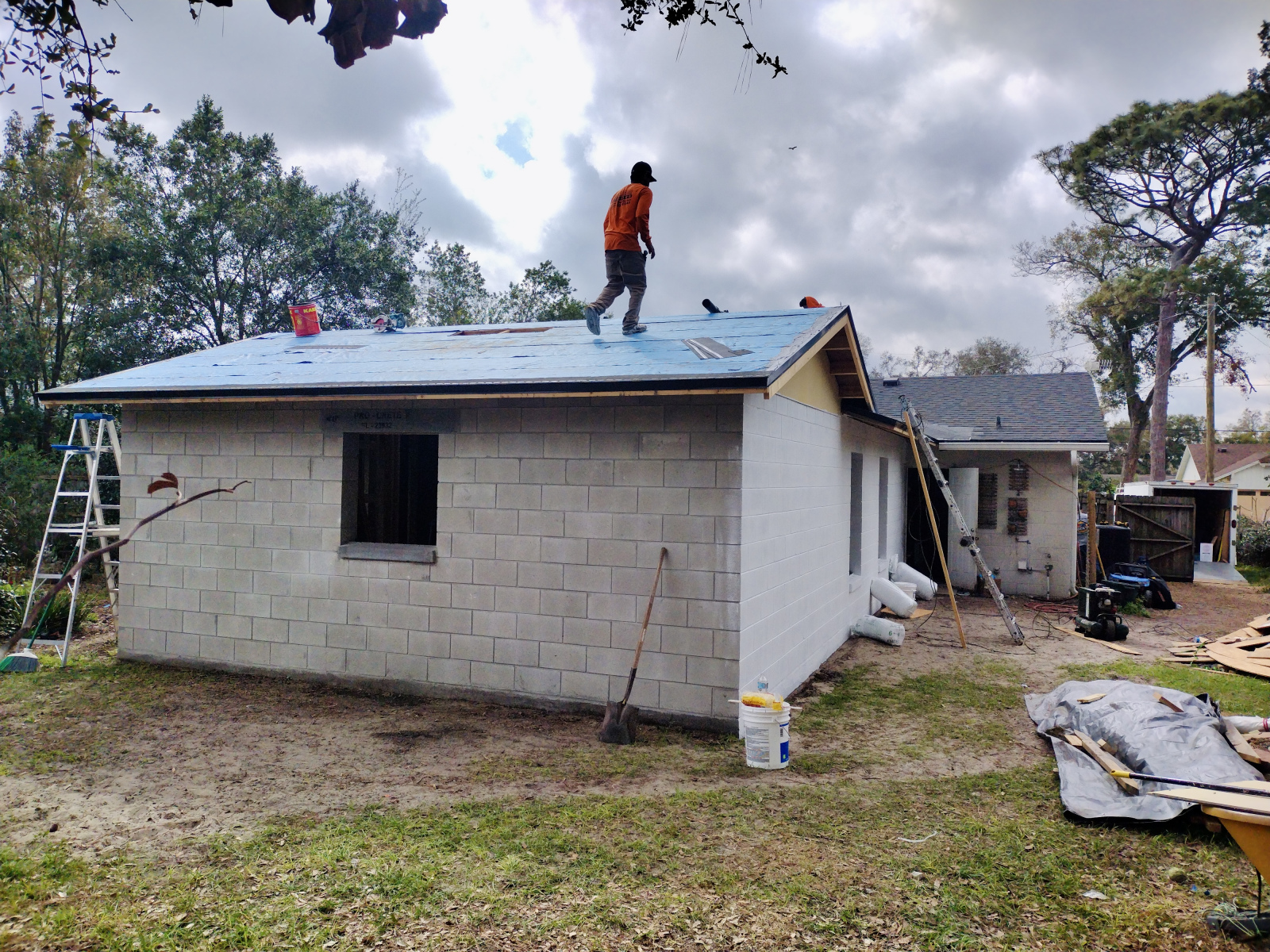
Remodel Your Homes Interior or Exterior
We can help you avoid renovation fads and help you focus your design decisions on the purpose of your renovation, whether it is to improve your family’s lifestyle, or to prepare your home for sale. Call us today for a free estimate: (407) 788-1166.
Creative Home Remodeling Solutions
We provide creative home remodeling solutions to our clients are committed to providing timely, efficient, and effective restoration and remodeling services while upholding safety standards. Let us help you understand the entire process from budgeting to design to construction.
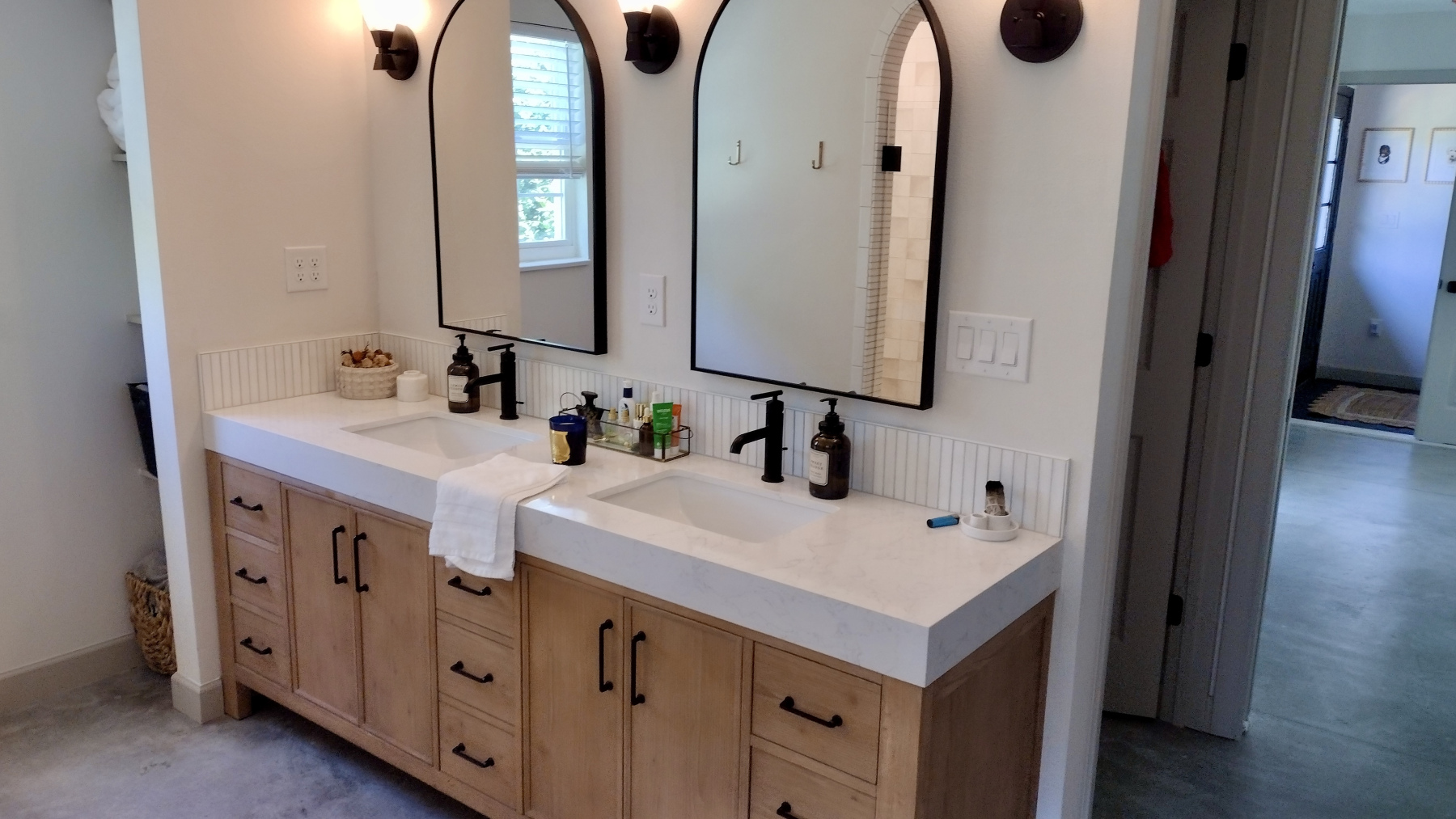
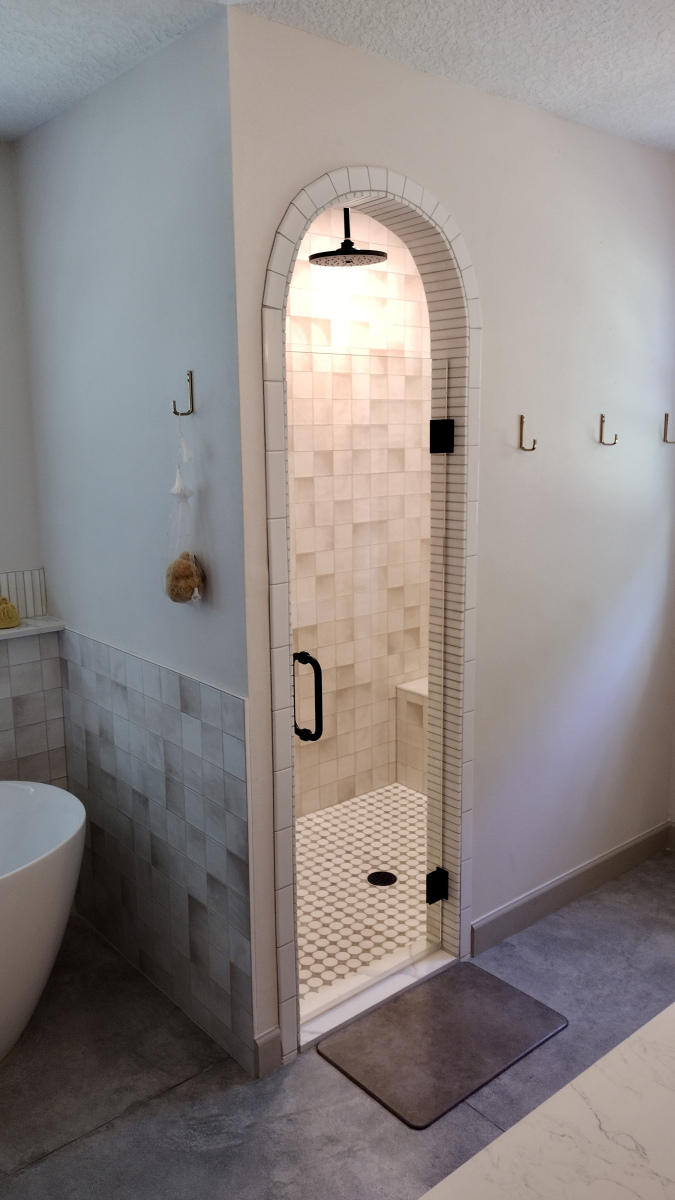
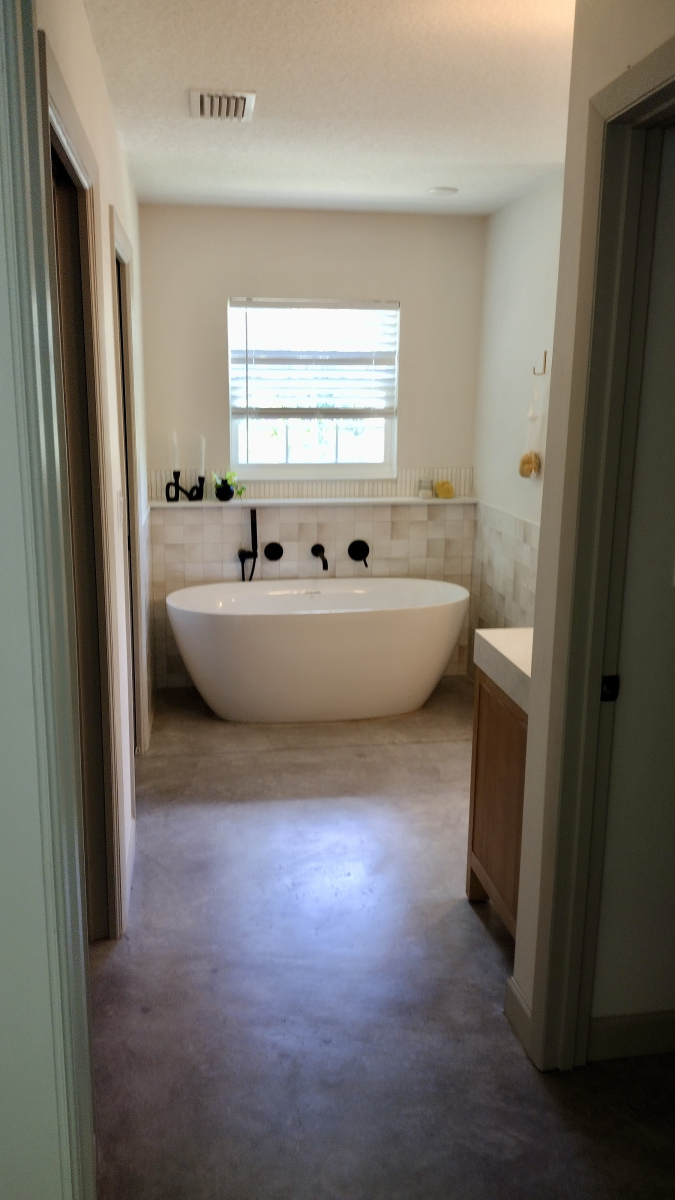
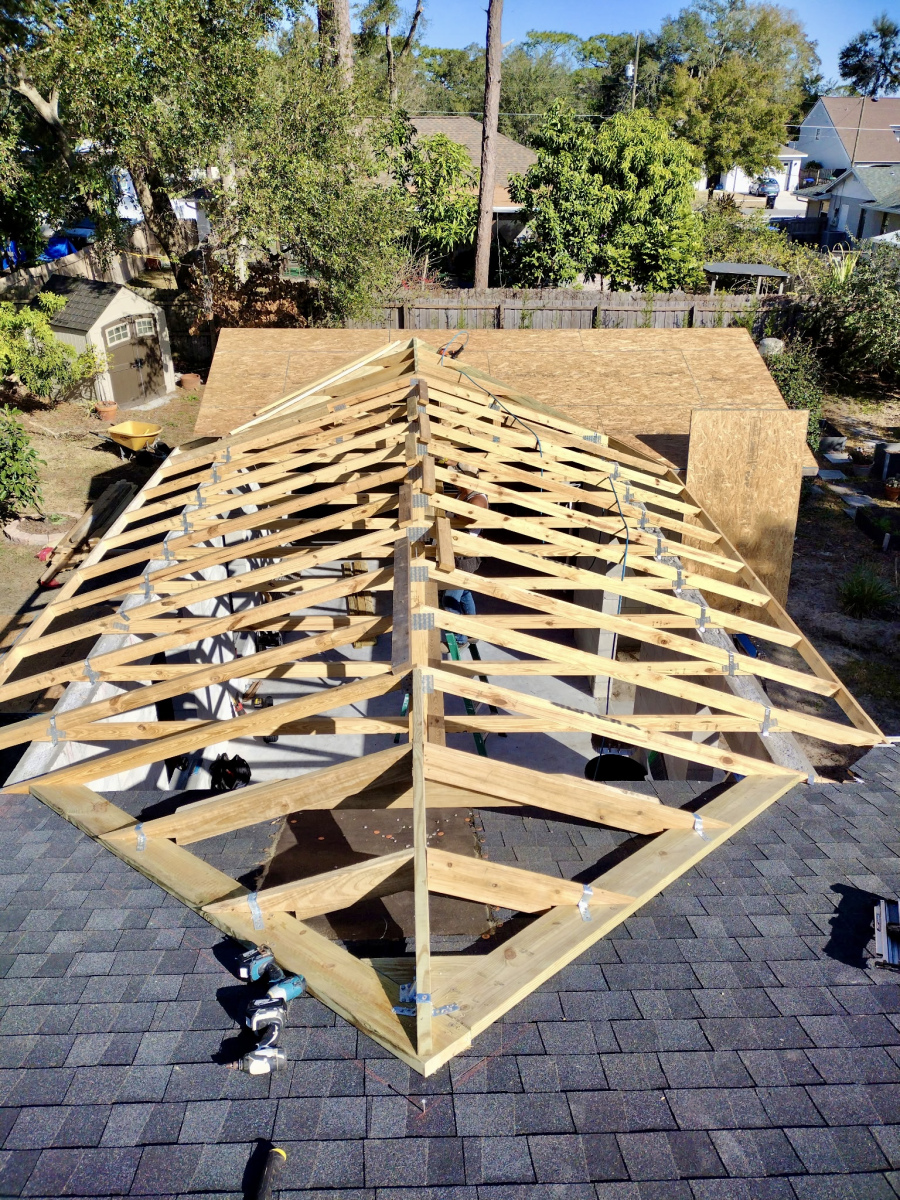
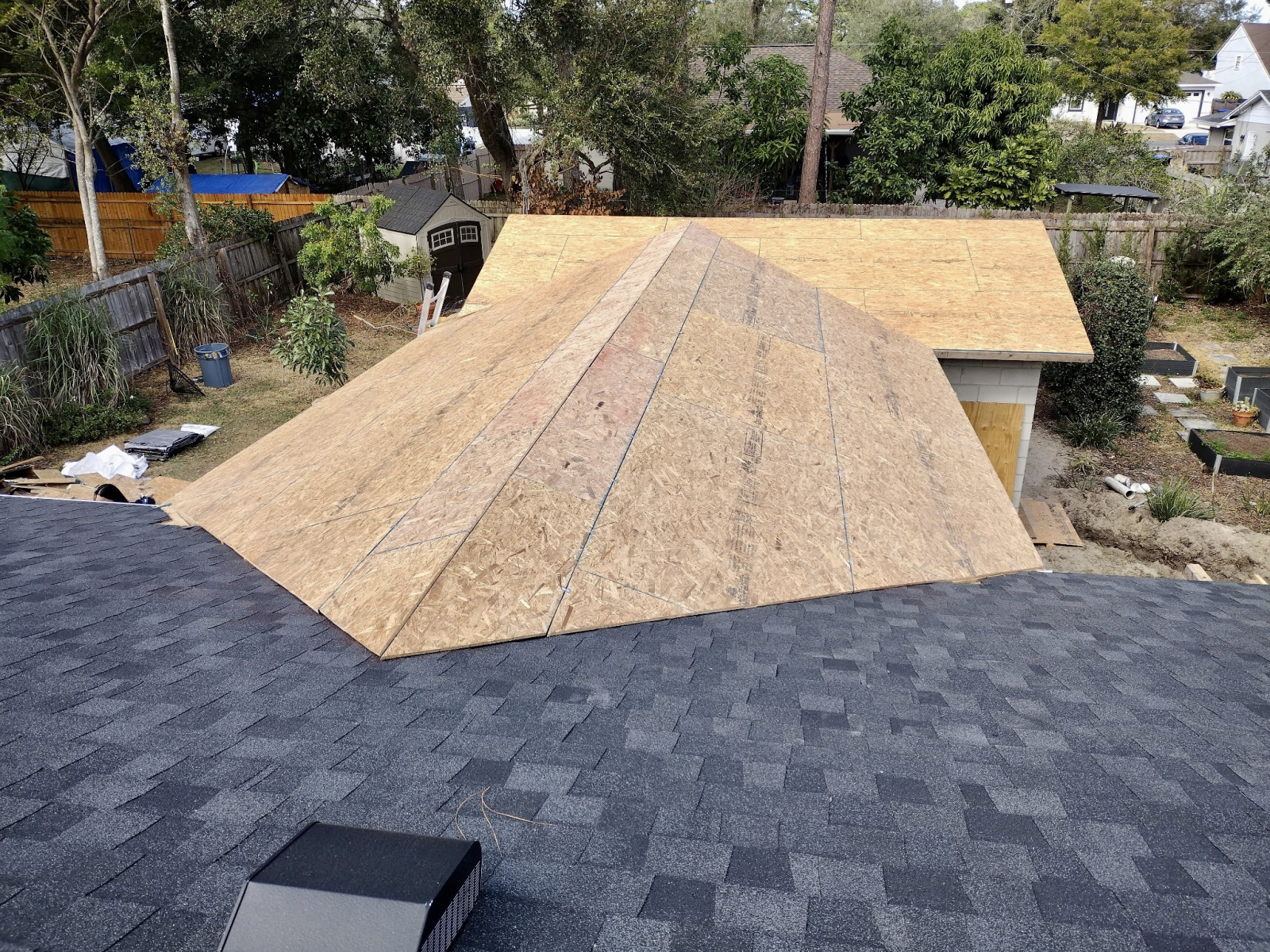
If you’re ready to renovate, we’re up to the challenge, from luxury kitchen and bath remodels to living and dining room remodeling. Add extra room with a “pop-top” for a whole new level.
Exterior Home Remodeling Ideas
How the exterior of your home looks and functions dictates a large part of its value. Match your home’s exterior to its overall architectural style to make it look good. Check out the following exterior home remodeling and renovation ideas to keep your home looking its best.
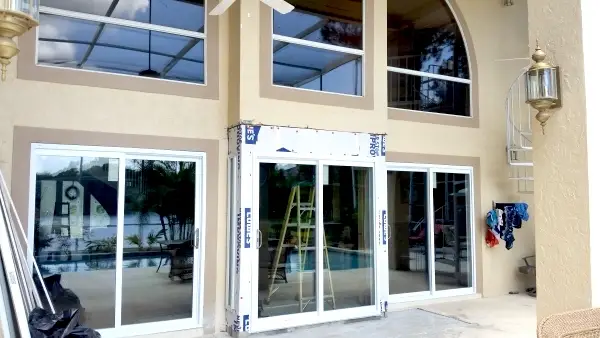
Replace Shutters or Windows
Generic-style fixed / non-functional shutters are often unattractive. Many stylish shutters available today including country and mid-century modern styles that can enhance a home’s curb appeal. Use shutter styles that complement the home’s exterior architecture. Enlarge your windows, adding a bay or picture window, or simply change the size and shape of your existing windows to add dimension to your exterior and more light to the interior of your home.
Install Fiber Cement Siding
Replace your existing siding with fiber cement to improve your home’s appearance. Fiber cement siding is a versatile material available in multiple styles and colors. It’s exceptionally durable and low maintenance.
Fresh Coat of Paint
Update the color of your home to something a little lighter, brighter, or more contemporary to enhance its style. Pair the color of your home with its architectural style to get the best results; for example, upgrade to a slightly darkened paint color on Victorians, a saturated color palette on an Arts and Crafts home, or a natural color palette on a Tudor. Use a bold color accent on the front door, shutters, trim, or decorative wood work. Make sure the colors complement the rest of your home’s exterior and use accent colors in small amounts so as not to overwhelm the rest of the home’s palette.
Accent The Exterior
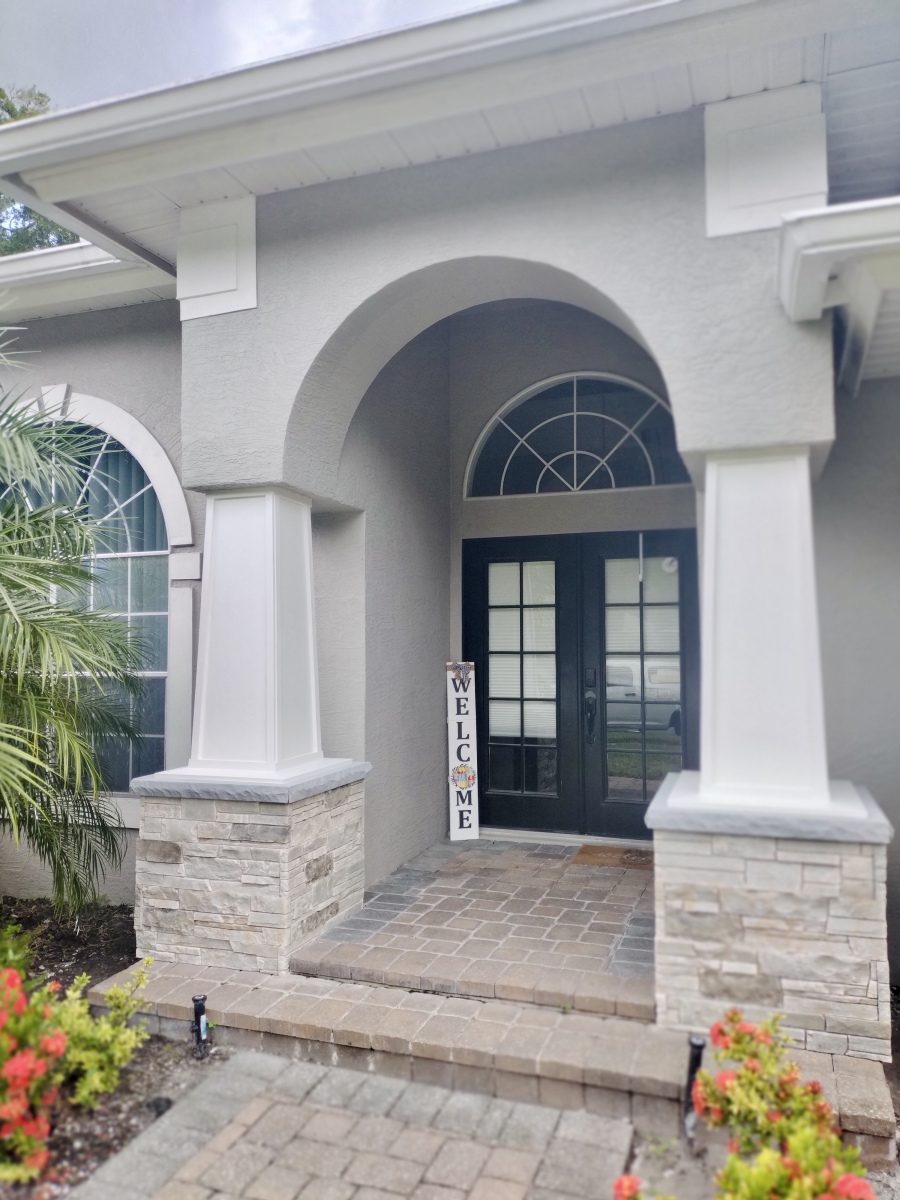
Vary siding colors or materials to call attention to different areas of your exterior, such as upper stories, eaves, towers, or attached sections like garages or barns to give your entire property a style boost. Exterior Texture: Add a brick or stone veneer skirt, an accent wall, some cedar or cedar-look shingles, or stucco.
Add a Porch
Porches are listed as one of the most wanted home features. Make sure your porch addition has enough space to include seating and other functional options, such as fans, fire pits or storage.
Add Exterior Lighting
Add sconces, over the door lights, and accent lights to help illuminate the exterior and make it visible at night to help visitors navigate after dark. For homes with large soffits or overhangs beneath the roof, install some discreet lights in these areas to help define the roofline after dark.
Update The Driveway
Instead of a plain, concrete driveway, consider more decorative options including stamped concrete pavers or bricks to add a finishing touch.
Enlarge the Entryway
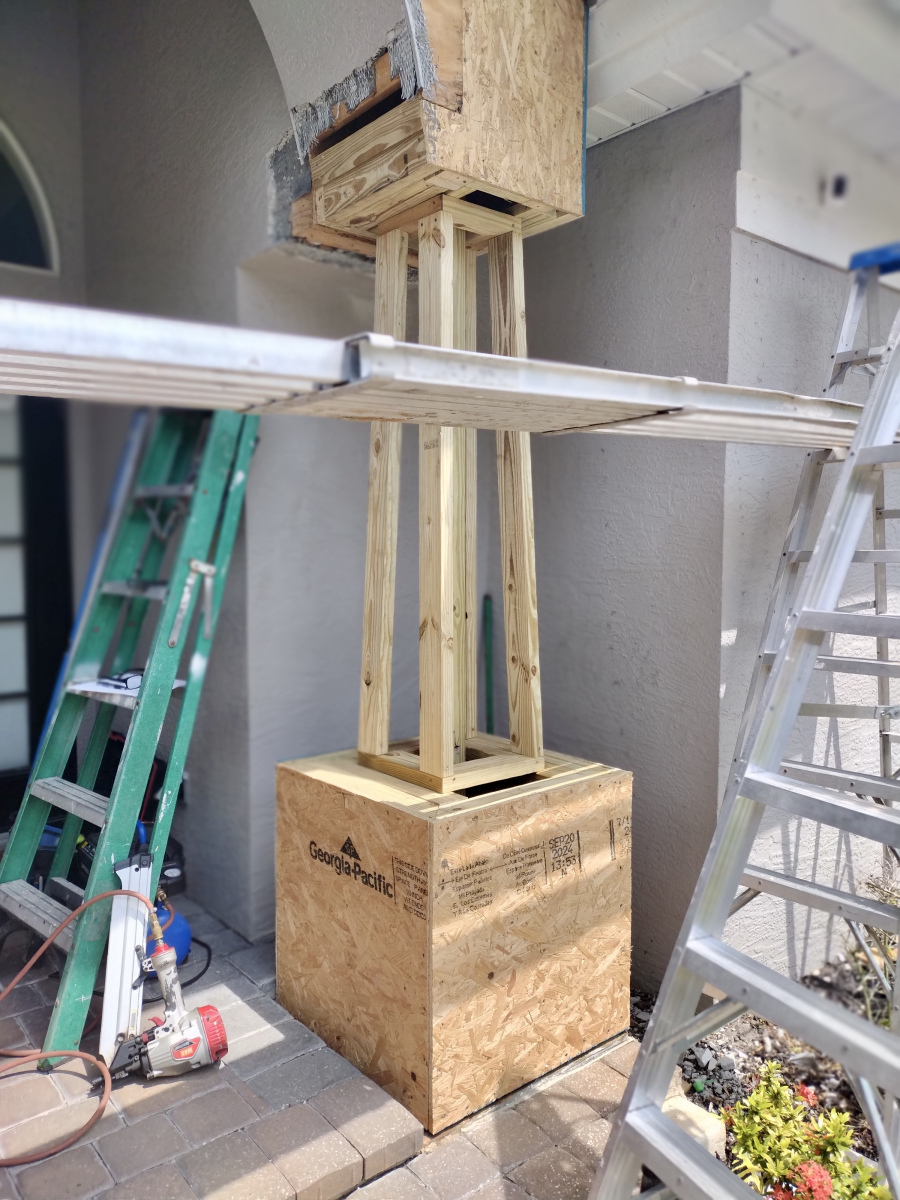
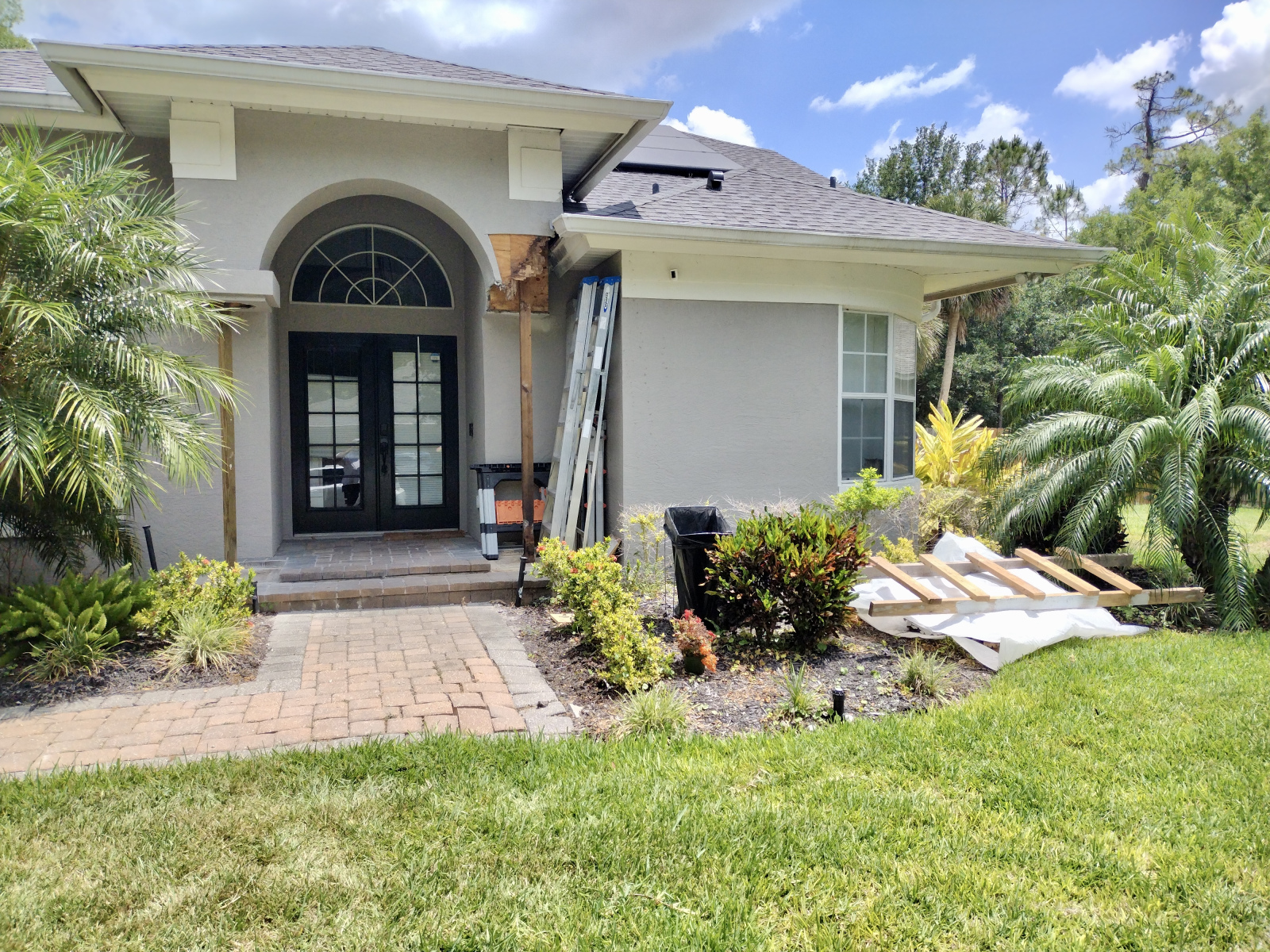
Create a larger, more welcoming front door area. This may include building a “tower” such as those seen on Colonial style homes, or merely widening the front steps and adding some glass inserts on either side of the door.
FAQ
What is the 30 % rule in home renovation, and should I follow it?
The 30% rule is a strategic financial guideline suggesting that total renovation costs should not exceed 30% of your home’s current market value to prevent “over-improvement” and ensure a healthy return on investment. By keeping your project within this threshold, you avoid hitting the “neighborhood ceiling,” where the cost of upgrades outpaces what local buyers are willing to pay. While following this rule is essential for protecting resale value and maintaining equity, it is a flexible benchmark rather than a strict law; for instance, you might choose to exceed it if you are updating a “forever home” for long-term personal enjoyment or reviving a distressed fixer-upper. Ultimately, we help you navigate these numbers by balancing your lifestyle goals with market data to ensure your budget is both ambitious and fiscally responsible.
Is $100,000 enough to renovate a house?
In Central Florida, a $100,000 budget serves as a substantial middle-ground investment that can significantly transform a standard-sized home, though its reach depends heavily on your definition of “renovate.” Typically, this amount comfortably covers a full high-end kitchen makeover paired with two modern bathroom updates, or it can be stretched to provide a whole-house cosmetic refresh including new flooring, interior painting, and upgraded lighting throughout. To ensure you get the most value for your investment, we specialize in value-engineering, helping you select premium-look finishes at lower price points or phasing the project over time to prioritize high-impact areas first without compromising on quality.
How much should I budget for an interior remodel?
Determining a budget for an interior remodel depends on the scope of work, but a reliable baseline in the current market ranges from $15 to $150 per square foot, depending on whether the project is a cosmetic refresh or a full-scale “gut” renovation. For a whole-home transformation, “dry rooms” like bedrooms and living areas are the most cost-effective to update, while “wet rooms” such as kitchens and bathrooms typically require a higher investment, often starting at $15,000 to $25,000, respectively, due to plumbing, cabinetry, and tiling requirements. Beyond the visible finishes, it is essential to factor in “hidden” costs, including a 10% to 20% contingency fund for unforeseen structural issues, as well as expenses for permits, design fees, and temporary living arrangements.